What a brow lift is
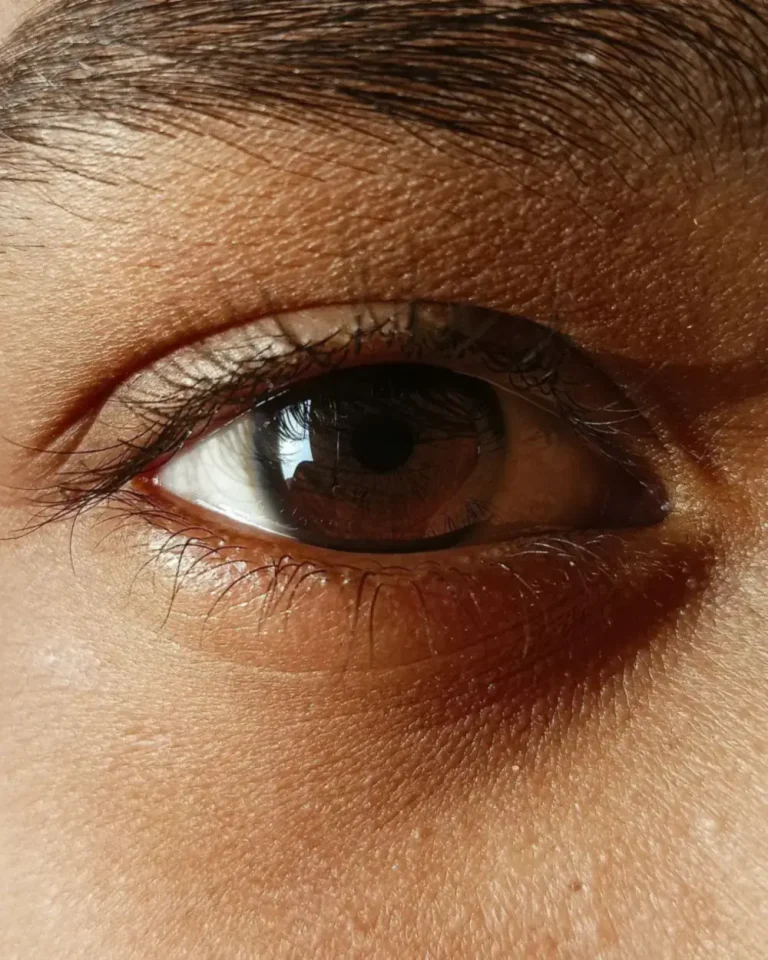
With time the eyebrows descend, especially at their outer end. The upper eyelid looks heavier and the eyes look tired or even sad, and deep horizontal lines appear on the forehead because the forehead muscles work constantly to hold the brows up.
A brow lift repositions the eyebrows and forehead tissue, relaxes the muscles that cause frowning and reduces the tired look.
Who it is for
- people with low eyebrows that give a tired or sad expression;
- those who seem to have excess upper eyelid skin because of drooping brows;
- those with deep horizontal forehead lines or frown lines.
Many patients who come for blepharoplasty actually need a brow lift, or both. The difference is established at the consultation.
Techniques
- Endoscopic brow lift, through a few small incisions in the hair, using a camera; faster recovery.
- Temporal lift, to raise the outer end of the brow, through incisions in the hair above the temple.
- Coronal or hairline lift, for more advanced cases; the incision follows the hairline.
The operation is usually done under local anaesthesia with sedation or under general anaesthesia and takes one to two hours.
Recovery
- First days: swelling that may move down to the eyelids, bruising and a feeling of tightness.
- 7–10 days: stitches or clips are removed; back to normal activities.
- A few months: numbness of the scalp behind the incisions, which returns gradually.
Risks and things to know
- temporary numbness or itching of the scalp;
- brow asymmetry;
- temporary hair loss around the incisions;
- rarely, injury to the nerve branch that lifts the eyebrow.
Results vary from one patient to another.