What fat transfer is
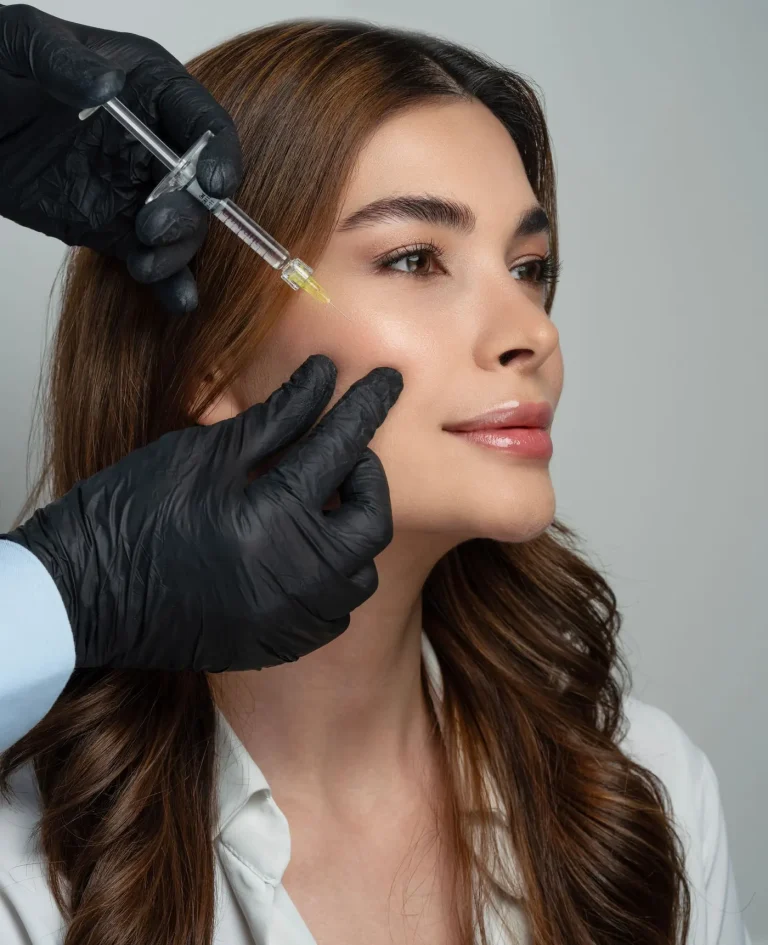
Fat transfer (autologous fat grafting) has three stages: fat is harvested from an area where there is a surplus, usually the abdomen, flanks or thighs; it is processed to separate the viable cells; and it is re-injected in small amounts and in layers where volume is missing.
Part of the transferred fat does not survive and is reabsorbed by the body in the first months. The part that “takes” becomes part of the tissue and stays for the long term. That is why two sessions are sometimes needed for the desired result.
Where it is used
- Face: cheeks, nasolabial folds, temples, under-eyes and jawline, to make up for volume lost with age.
- Lips: for moderate, natural volume.
- Breasts: for about half a cup to one cup more volume, to correct some asymmetries, or to improve results after implants or reconstruction.
- Buttocks and calves: for volume and shape.
- Tethered scars or skin depressions.
Who it is for
Fat transfer suits healthy people who have a donor area with enough fat and want a moderate, natural-looking increase in volume. It is not the solution for a significant breast enlargement (where implants remain the main option), nor for very slim people.
How the procedure is done
Depending on the areas and volume, the procedure is done under local anaesthesia, local with sedation, or general anaesthesia. Facial microlipofilling takes about an hour, while transfers to the breasts or buttocks can take two to three hours. The incisions are a few millimetres long, both at the donor site and in the treated area.
Recovery
- Treated area: swelling and bruising for 1–2 weeks. On the face, swelling may be visible in the first days.
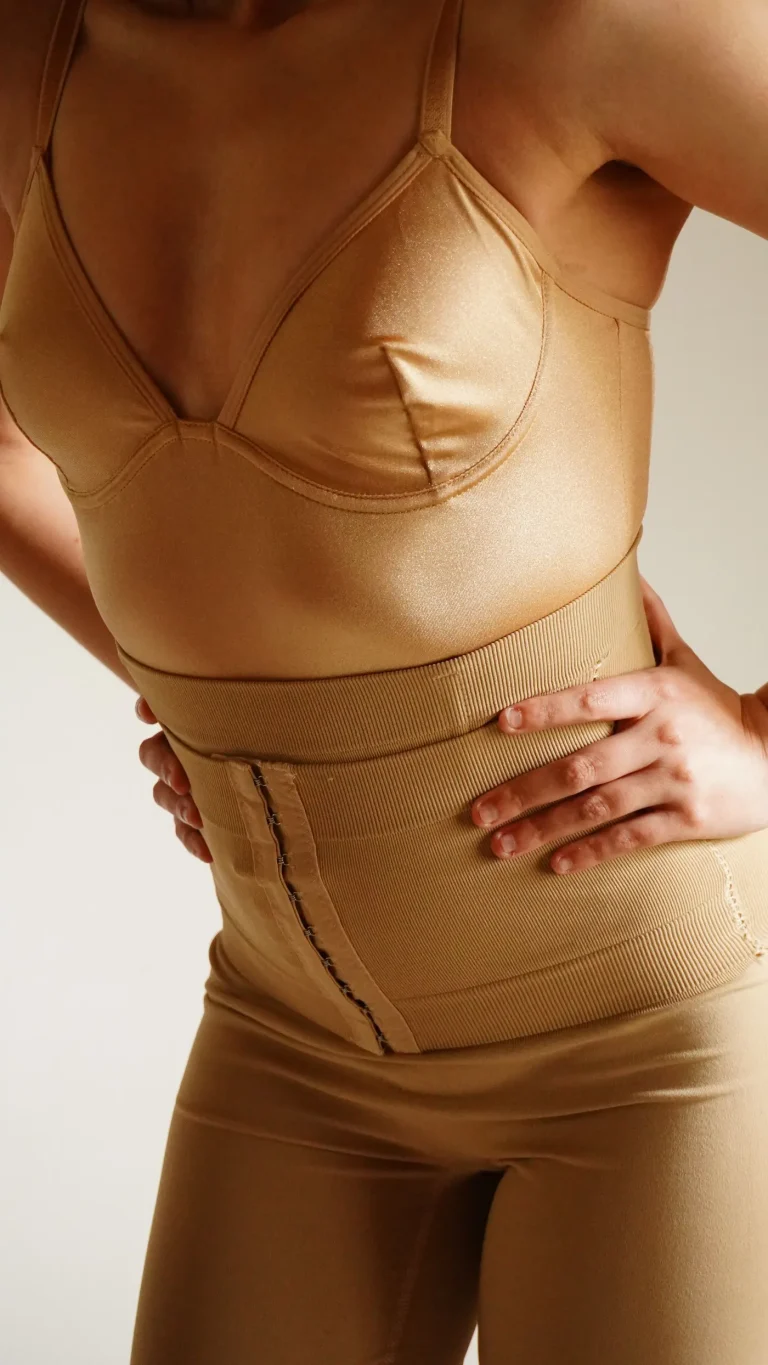
- Donor area: discomfort similar to liposuction; you wear compression garments.
- Pressure on the treated area is avoided for a few weeks (for example sitting on the buttocks after buttock fat transfer).
- 3–6 months: the volume settles after part of the fat is reabsorbed.
Results
The result looks natural, and the fat that remains after the first months behaves like your own tissue and changes with your body weight. How much of the fat “takes” differs from person to person, so results vary.
Risks and things to know
- more reabsorption than expected, which may need another session;
- small irregularities or lumps, usually palpable and rarely visible;
- asymmetry;
- fat cysts or calcifications, which in the breast may show on a mammogram and are distinguished from other lesions;
- with fat transfer to the buttocks, a rare but serious risk of fat embolism; the technique used injects fat only into the tissue under the skin, never into the muscle.