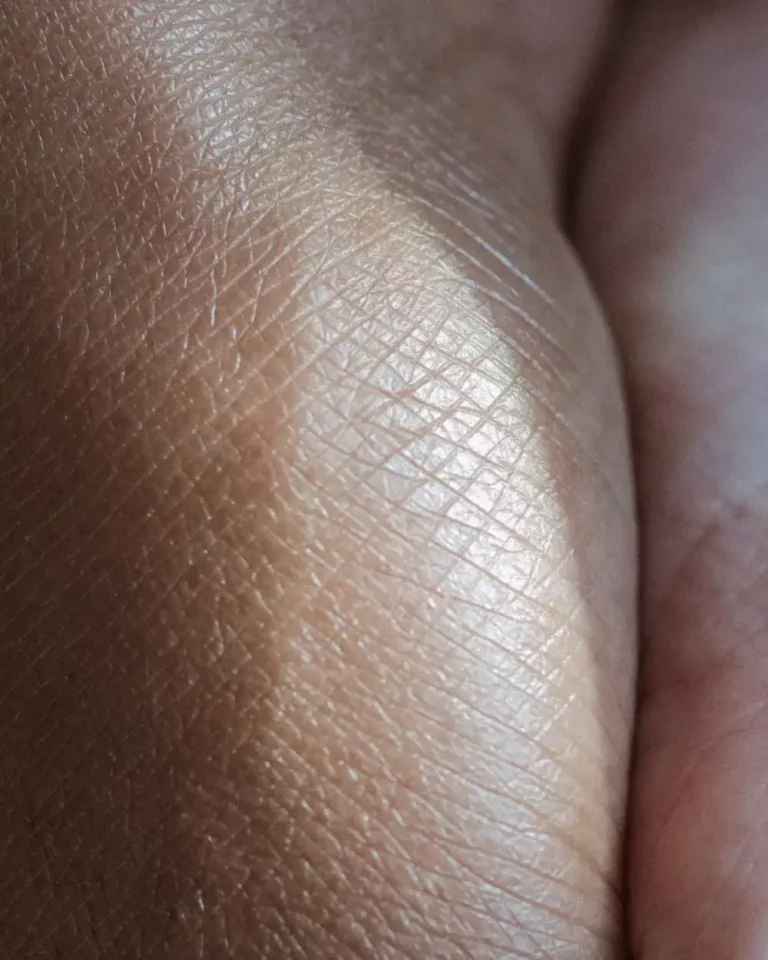
What a chemical peel is
A chemical peel is the application of one or more exfoliating substances to the skin, for example glycolic, mandelic, salicylic or trichloroacetic acid (TCA). Depending on the substance and concentration, a peel can be:
- superficial, acting only on the epidermis; a few days of recovery, and it can be repeated as a series;
- medium, reaching the upper dermis; 1–2 weeks of recovery, with visible peeling.
Deep phenol peels are no longer used routinely in aesthetic medicine because of their higher risks.
What it is used for
- pigmentation and uneven skin tone;
- mild acne marks and active acne (specific peels);
- fine lines;
- rough texture and dull skin.
Preparation
For some peels the doctor recommends preparing the skin with specific creams for 2–4 weeks beforehand. Sun protection is essential before and after treatment. Autumn and winter are the best time.
How it is done
The skin is cleansed and degreased, then the solution is applied for a controlled time and neutralised or removed. It stings or feels warm for a few minutes. A session takes about 30 minutes.
After treatment
- redness and a tight feeling;
- fine peeling (superficial peel) or more visible peeling (medium peel), which you should not pick;
- moisturiser and SPF 50 every day for several months;
- avoid sun exposure and sunbeds.
Contraindications
Pregnancy and breastfeeding, active herpes, isotretinoin in recent months, irritation or lesions in the area, a recent tan, and a tendency to keloid scars. Darker skin types need a careful choice of peel.
Risks and things to know
- post-inflammatory hyperpigmentation, especially with sun exposure;
- prolonged redness;
- herpes reactivation;
- rarely, scarring.
Results vary from one patient to another.