How it works
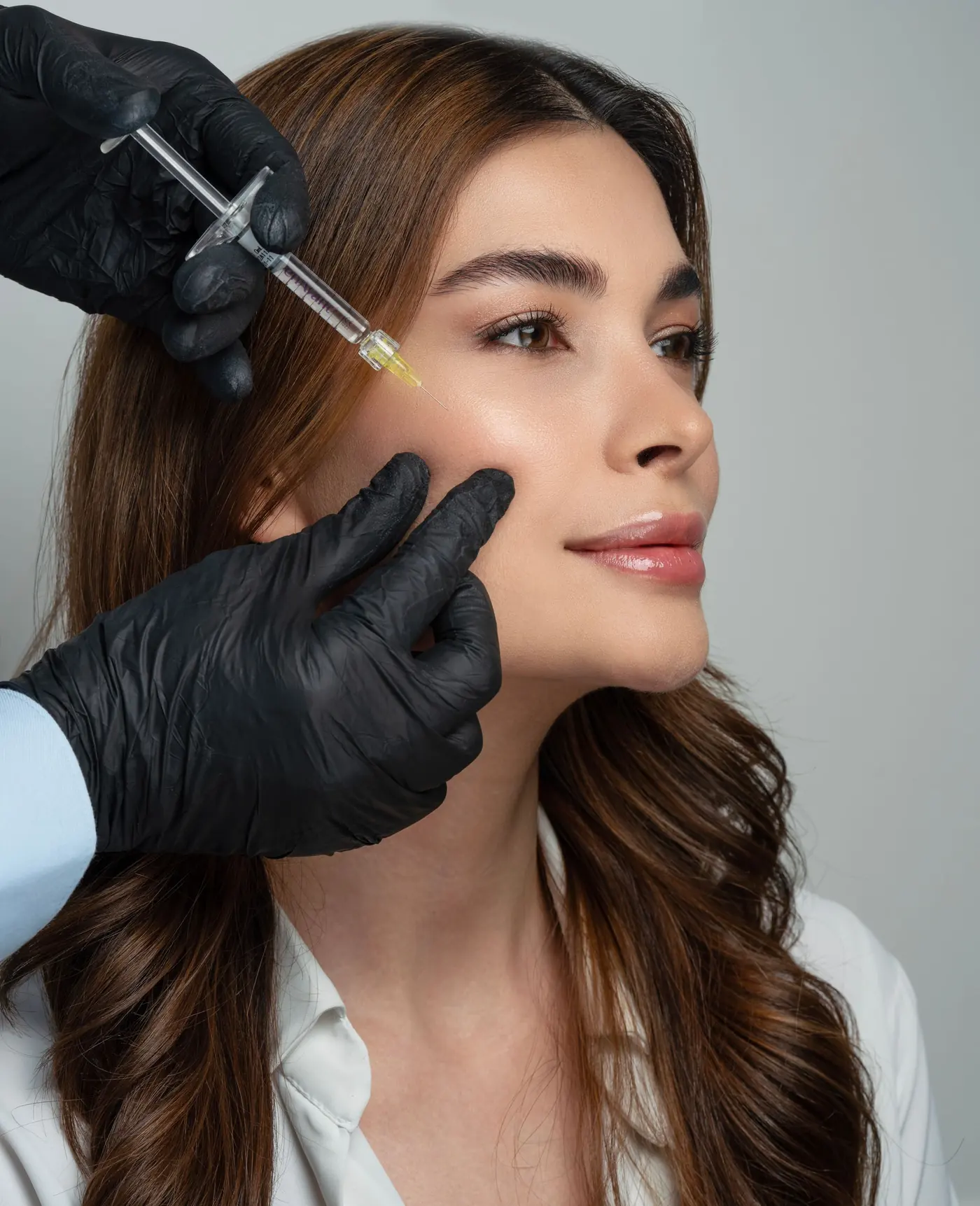
Lines on the forehead, between the eyebrows (the glabella) and at the outer corners of the eyes (crow’s feet) are expression lines, caused by repeated contraction of the facial muscles. Botulinum toxin type A, injected in small doses into these muscles, temporarily blocks the nerve signal that contracts them. The muscle relaxes and the skin above it smooths out.
With the right dose, the treatment does not “freeze” the face: you keep your expressions, but the lines soften and do not deepen as quickly.
What it is used for
- horizontal forehead lines;
- vertical frown lines between the eyebrows;
- crow’s feet;
- a slight lift of the tail of the eyebrow;
- vertical neck bands and the jawline (“Nefertiti” technique);
- a gummy smile (when a lot of upper gum shows when you smile);
- excessive sweating; see hyperhidrosis treatment.
Static lines, visible even when the face is relaxed, and volume loss are better treated with hyaluronic acid or other procedures.
How it is done
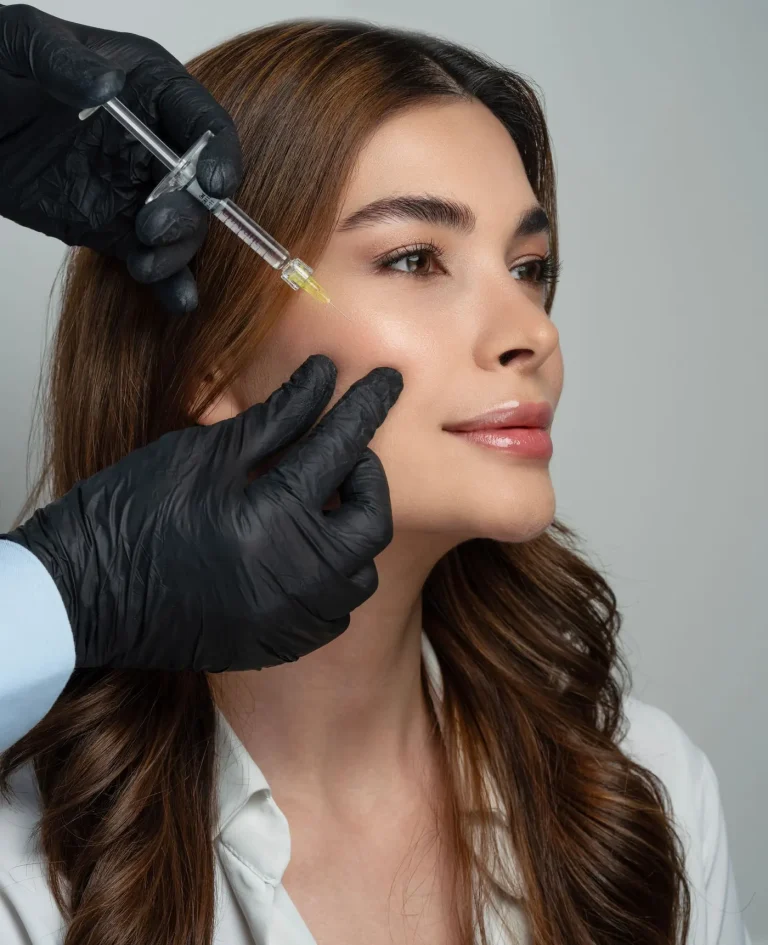
The doctor assesses your expressions and marks the injection points. Very fine needles are used; anaesthesia is usually not needed. The treatment takes 15–30 minutes.
After treatment
- do not lie down or bend over for the first 4 hours;
- do not massage the treated area;
- avoid intense exercise, saunas and strong heat for 24 hours;
- make-up can be applied after a few hours.
The first effects appear after 3–7 days and the full result after about two weeks, when a check-up is done if needed. The effect usually lasts 3–6 months.
Contraindications
- pregnancy and breastfeeding;
- neuromuscular diseases (for example myasthenia gravis);
- allergy to any component of the product;
- infection or inflammation in the treatment area;
- some medications; tell the doctor what you are taking.
Risks and things to know
- small bruises or redness at the injection sites;
- a mild, passing headache;
- slight asymmetry, which can be corrected at the check-up;
- rarely, temporary drooping of the eyelid or eyebrow, which resolves within a few weeks.
The treatment is carried out by a doctor after a consultation, and results vary from one patient to another.