What rhinoplasty is
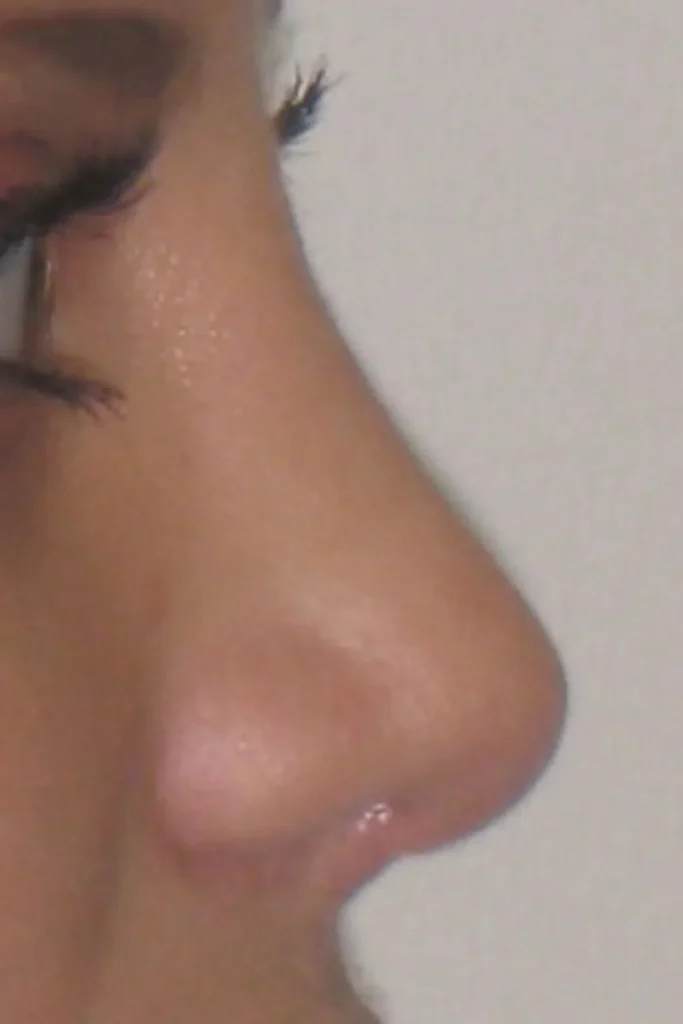
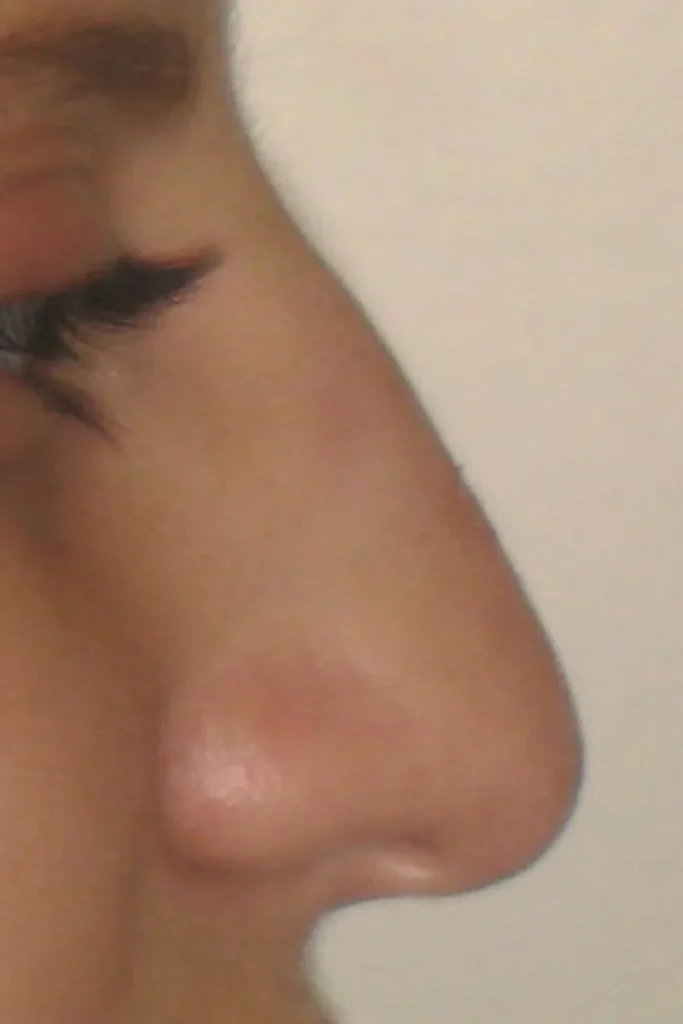
Rhinoplasty reshapes the structure of the nose: the nasal bones, the cartilage and, indirectly, the skin that covers them. It can correct a hump, a tip that is too wide or droops, a nose that is too long, asymmetry or the after-effects of a fracture.
A successful rhinoplasty does not draw attention to the nose. To achieve this, the doctor looks at the nose in relation to the forehead, cheeks, lips and chin, not in isolation.
When there is also a breathing problem, most often a deviated septum, a septorhinoplasty is done: rhinoplasty and septoplasty in the same operation. If the problem is purely functional, see the page on septoplasty.
Who it is for
Cosmetic rhinoplasty is usually done once the nose has finished growing: around 16–17 for girls and 17–18 for boys, and for minors only with parental consent. It suits people who:
- have a clear, long-standing dissatisfaction with the shape of their nose;
- have a crooked nose after an injury;
- also have difficulty breathing through one or both nostrils;
- are healthy and understand that the final result appears after months.
The operation is not recommended when the expectation is to change the whole face, or when the dissatisfaction seems out of proportion with how the nose actually looks. The doctor will tell you openly whether rhinoplasty can help you.
The consultation
At the consultation the nose is examined from the front, in profile and from below, and the inside of the nose (septum and turbinates) and the skin quality are checked. We talk about what specifically bothers you and what can realistically be achieved given the structure of your nose. Medical photographs are taken to help with planning.
Tell the doctor if you have allergies, frequent nosebleeds or snoring, have had nose surgery or a fracture, or use decongestant nasal sprays for long periods.
How the operation is done
Rhinoplasty is done under general anaesthesia and takes two to four hours, depending on complexity. There are two approaches:
- Closed rhinoplasty: all the incisions are inside the nose, with no visible scars.
- Open rhinoplasty: a small incision is added at the base of the columella (the tissue between the nostrils) for a better view of the tip cartilage. The scar usually becomes hard to notice.
Depending on the case, the hump is reduced, the tip cartilage is reshaped, the nasal bones are narrowed or small grafts of your own cartilage are used. At the end an external splint is applied, and sometimes small internal packs or splints.
Preparation
- Avoid aspirin, anti-inflammatories and supplements that increase bleeding risk for about two weeks before, with the prescribing doctor’s approval.
- Do not smoke for a few weeks before and after the operation.
- Plan about a week to ten days without public events.
- If you wear glasses, discuss with the doctor how you will use them in the first weeks.
Recovery
- First days: the nose is blocked and there may be swelling and bruising around the eyes. Sleep with your head raised and apply cold compresses to the cheeks, not the nose.
- Day 7–10: the splint is removed, along with any stitches at the columella. Most patients return to work in this period.
- 2–3 weeks: the bruising has gone; the nose already looks better but is still swollen.
- 6 weeks: sport and physical strain can resume; heavy glasses should still not rest on the bridge of the nose.
- First year: the swelling settles gradually, more slowly at the tip. The final shape usually appears after 12 months, sometimes later with thick skin.
Do not blow your nose hard in the first weeks, and avoid knocks and contact sports for a few months.
Results
Rhinoplasty gives a lasting result, but the nose keeps changing with age, like the rest of the face. Results vary from one patient to another, depending on anatomy, skin thickness and healing.
Risks and things to know
- nosebleeds, especially in the first days;
- persistent swelling, particularly at the tip;
- small asymmetries or irregularities, which sometimes need a touch-up after at least a year;
- temporary or, rarely, persistent breathing difficulty;
- changes in sensation at the tip of the nose, usually temporary;
- rarely, infection or septal perforation.
Rhinoplasty is one of the cosmetic procedures that demands the most precision, and some patients may need a small correction later. If so, the touch-up is done once the result has fully settled, usually after at least a year.