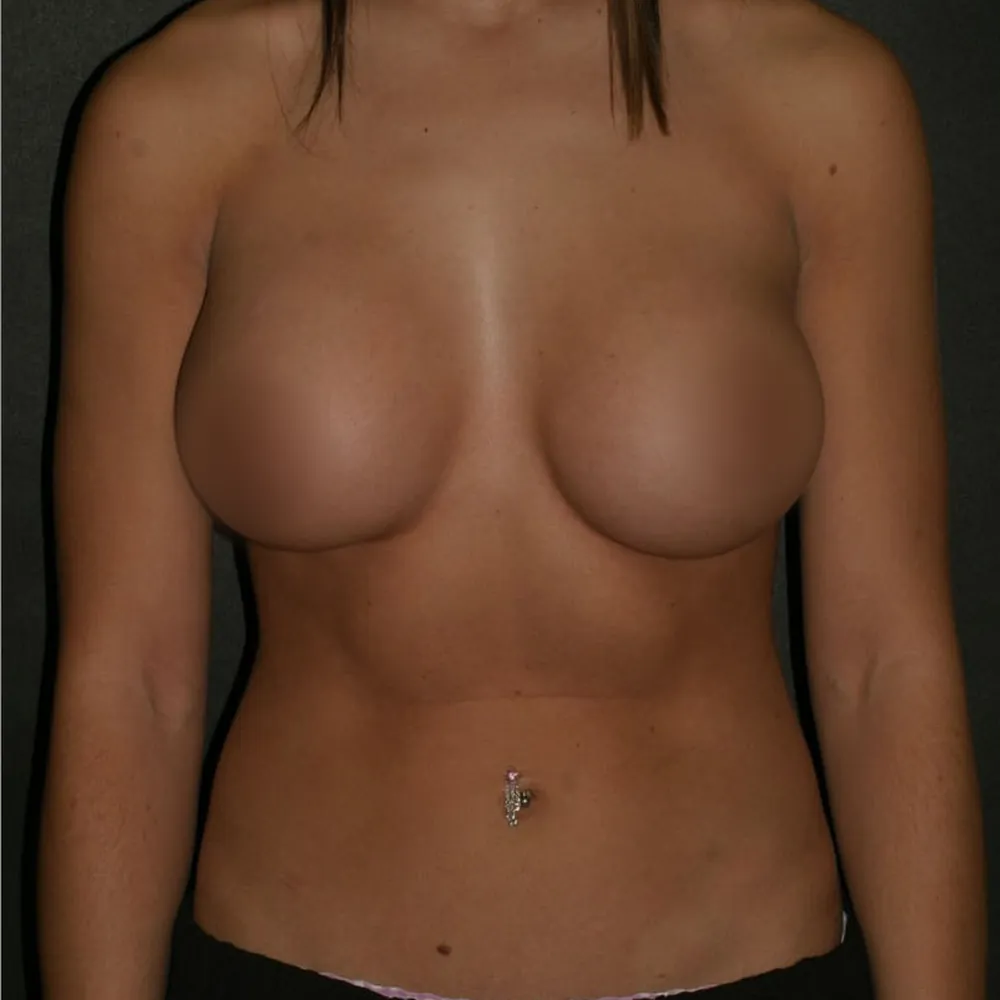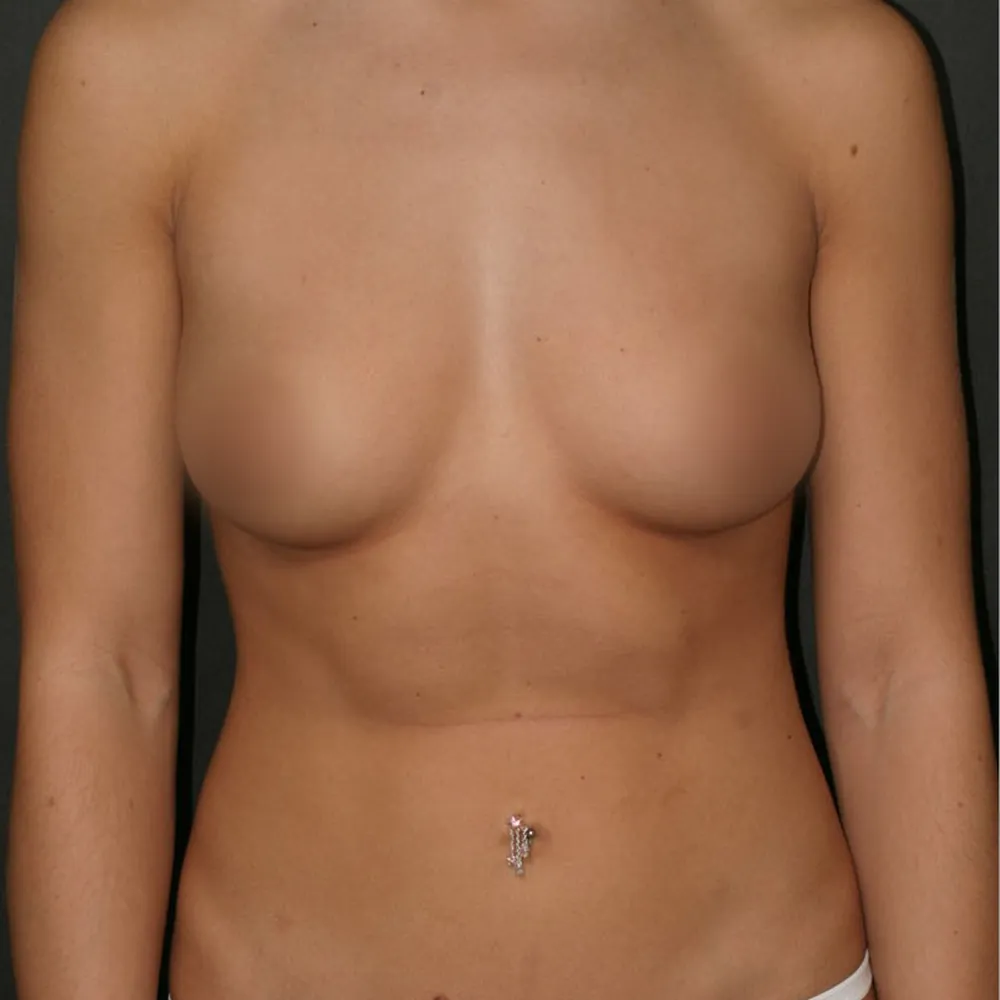
What a breast lift is
After pregnancy, breastfeeding, weight changes or simply with age, the skin and ligaments that support the breast relax. The breast drops and the nipple sits at or below the fold under the breast. This is called breast ptosis.
A mastopexy corrects ptosis: the breast gland is reshaped and lifted, excess skin is removed, and the nipple and areola are moved higher and made smaller if needed.
Breast lift with or without implants
- A breast lift on its own raises and reshapes the breast using your own tissue. It suits you if you are happy with your current volume.
- A breast lift with implants adds volume, especially to the upper part of the breast. It suits breasts that have become “empty” after breastfeeding or weight loss.
An implant alone cannot lift a dropped breast, so for obvious ptosis a lift is needed even when more volume is wanted.
Who it is for
- women with dropped breasts or areolas that point downwards;
- women who have lost volume after pregnancy or breastfeeding;
- women whose breasts sit at different heights;
- healthy women with a stable weight who are not planning a pregnancy in the near future.
A later pregnancy can change the shape of the breasts again, so it is worth discussing family plans at the consultation.
The consultation
The doctor measures the distances between the nipple, the fold under the breast and the collarbone, assesses skin quality and gland volume, and explains what kind of scar will be needed. You discuss whether an implant would help and, depending on age and history, a breast ultrasound or mammogram is recommended before surgery.
How the operation is done
The operation is done under general anaesthesia and takes about two to three hours. The incision pattern depends on the degree of ptosis:
- around the areola, for mild ptosis;
- around the areola and vertically down (a “lollipop” scar), for moderate ptosis;
- anchor-shaped (inverted T), for advanced ptosis with a lot of excess skin.
The gland tissue is reshaped, excess skin is removed and the areola is repositioned. If an implant is used, it is placed in the same operation. An overnight stay usually follows.
Recovery
- First days: discomfort and tightness, controlled with medication. The support bra is worn at all times.
- 7–14 days: back to light activities and desk work.
- 4–6 weeks: avoid lifting and sport; wear the support bra day and night.
- 3–6 months: the breasts reach their final shape.
- Up to a year: the scars fade gradually.
Results
The breasts look higher, fuller in the upper part and more in proportion. Gravity and time keep working, so over the years the breasts may drop slightly again, especially larger breasts or after weight changes. Results vary from one patient to another.
Risks and things to know
- visible scars, sometimes widened or raised; a breast lift always leaves scars, and their pattern depends on the technique needed;
- changes in nipple sensation;
- slight asymmetry in shape or areola position;
- healing problems where the scars meet, especially in smokers;
- the ability to breastfeed may be affected;
- if an implant is used, the specific implant risks apply as well (capsular contracture, rupture).