What an ingrown toenail is
An ingrown toenail (onychocryptosis) occurs when the side edge of the nail digs into the soft tissue next to it. The area becomes red, swollen and painful; over time it can become infected, discharge pus and form fleshy tissue (granuloma).
Common causes are cutting the nails wrongly (down the sides or too short), tight shoes, excessive sweating, injury and an inherited, more curved nail shape.
When surgery is needed
In the early stages, warm soaks, proper nail care and roomy shoes may be enough. Surgery is recommended when:
- the pain or infection keeps coming back;
- a granuloma has formed;
- conservative treatment has not worked.
In patients with diabetes or circulation problems, an ingrown toenail should be assessed earlier.
How the operation is done
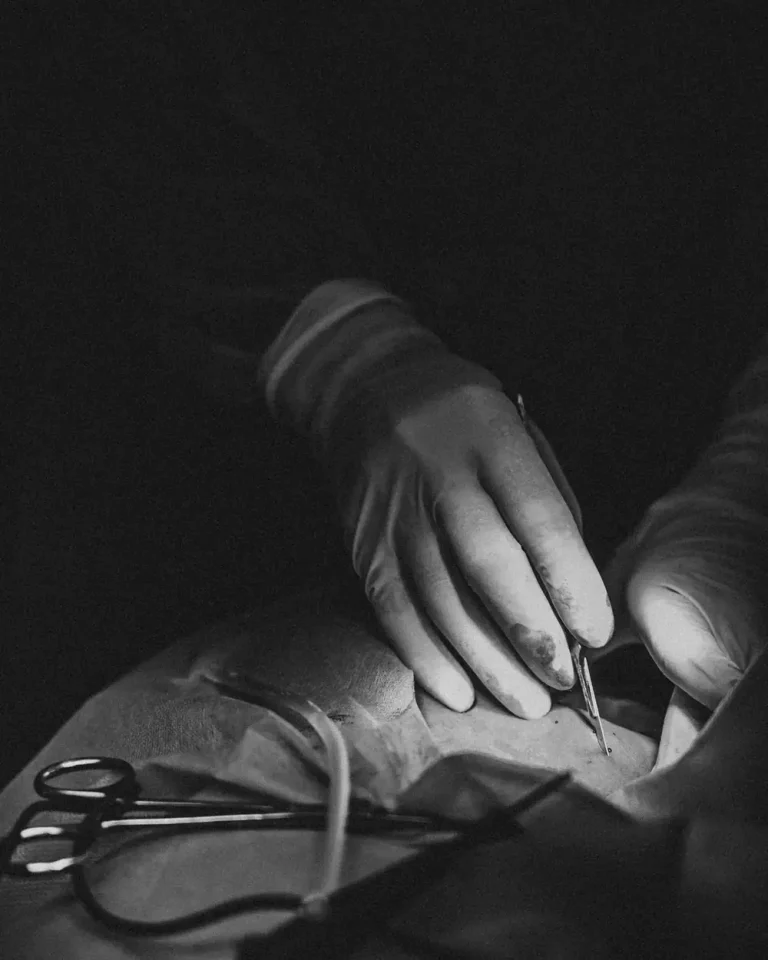
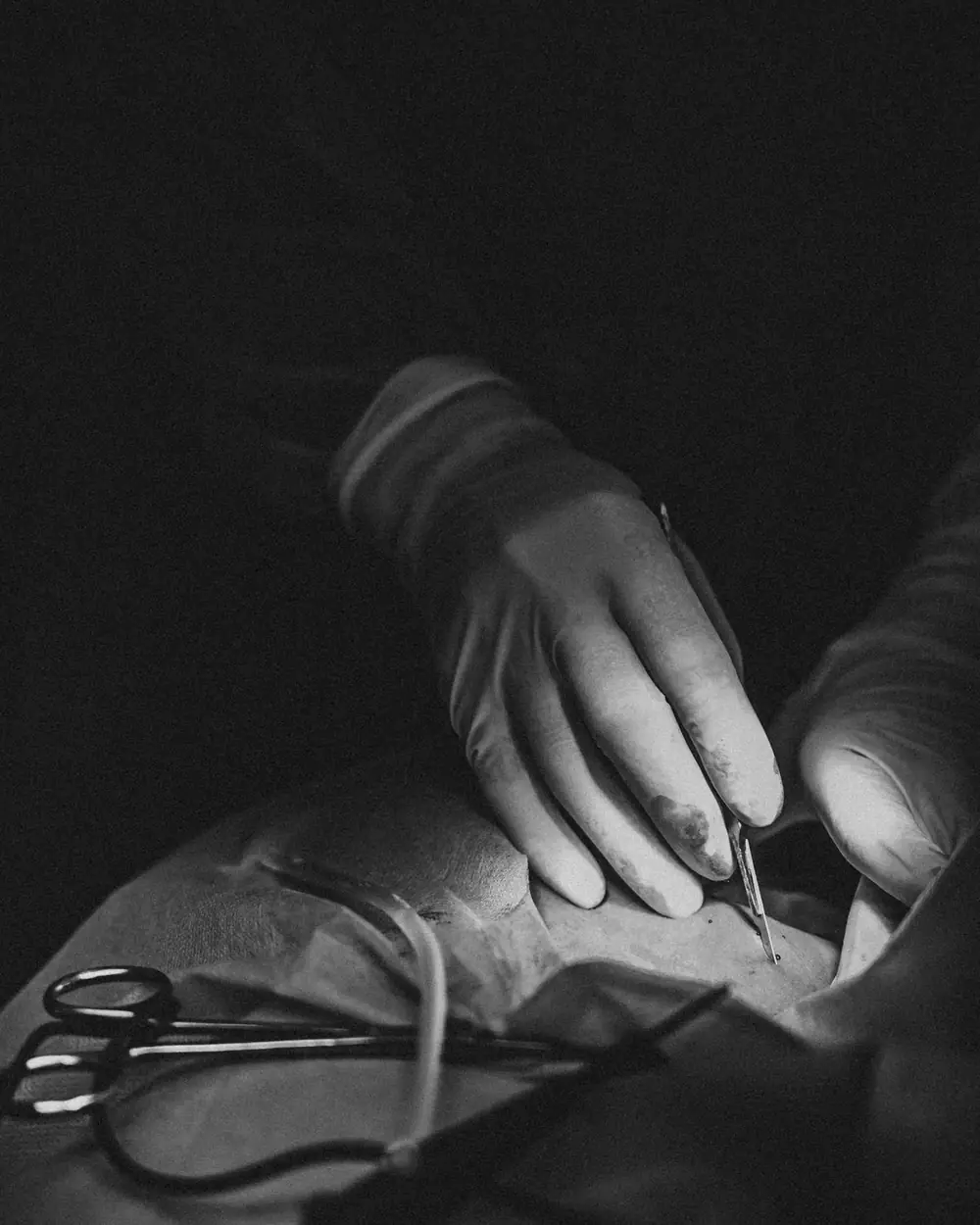
The operation is done under local anaesthesia of the toe and takes about 30 minutes. The part of the nail that grows into the skin is removed together with the matching part of the nail root (matrix), so that the edge does not grow into the skin again. The rest of the nail stays.
Recovery
- keep the foot raised on the first day and limit walking for a few days;
- dressings and local care, as instructed;
- wide, roomy shoes for a few weeks;
- full healing in about 2–4 weeks.
Risks and things to know
- recurrence, which is rare when the matrix is removed correctly;
- infection;
- a slightly narrower nail after healing.