What a facelift is
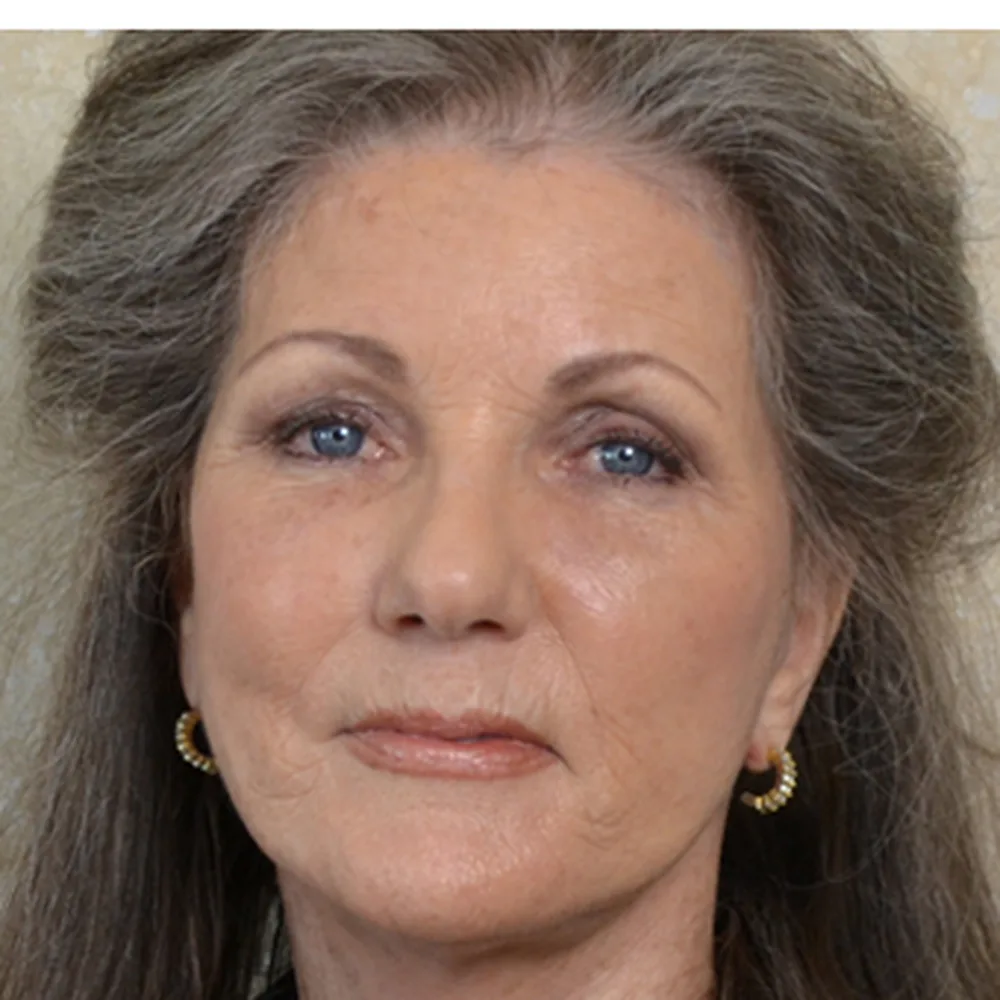
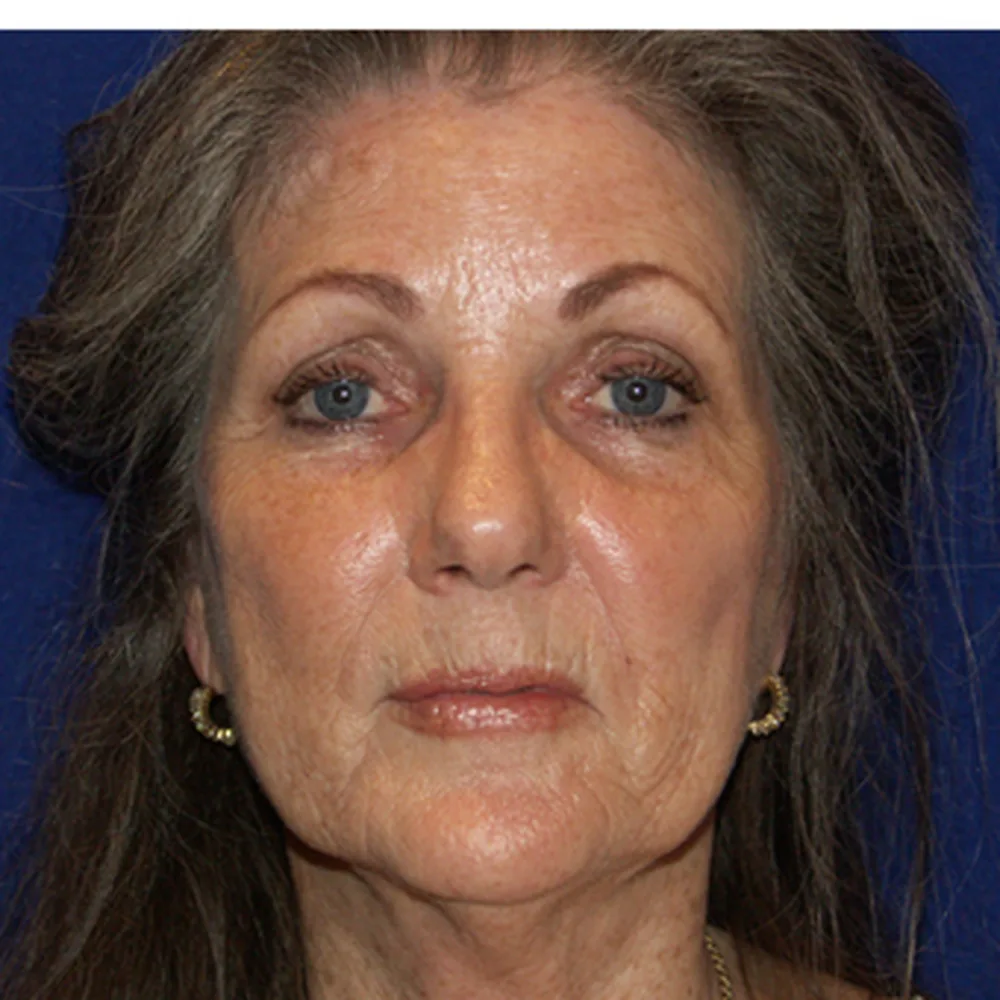
With age, the tissues of the face descend: the cheeks drop, jowls appear along the jaw, the folds between nose and mouth deepen and the neck loses its clean angle. The skin thins, but the main problem is not the skin; it is the structures underneath, which have relaxed.
That is why a modern facelift is not just about pulling the skin. The surgeon repositions the facial muscle and fibrous layer (called the SMAS) and only then adjusts the skin, without tension. This gives a natural result that does not look “pulled” and lasts longer.
When the operation also includes the neck, it is called a neck and face lift. If the main problem is only the neck, a neck lift may be enough.
Who it is for
A facelift usually suits people between 45 and 70 who:
- have sagging cheeks and a blurred jawline;
- have loose neck skin or visible vertical bands;
- have tried injectable treatments but no longer get the result they want;
- are healthy, with any chronic conditions well controlled, and do not smoke or can stop.
A facelift does not treat fine lines, pigmentation or skin texture; there are complementary treatments for those, such as peels or laser. Nor does it correct the eyelids or forehead, which can however be treated in the same operation (blepharoplasty, brow lift).
Safety first
A facelift is a long operation, and preparation matters as much as the surgery itself. Before booking:
- a full medical assessment is done, with blood tests and, depending on age and history, an ECG and a cardiology or specialist check;
- blood pressure must be well controlled, as uncontrolled high blood pressure increases the risk of haematoma;
- smoking must stop at least 4 weeks before, because it reduces blood flow to the skin and increases the risk of complications;
- anaesthesia is given and monitored by the anaesthetist.
The consultation
At the consultation the doctor looks at the structure of your face, skin quality, the position of the eyebrows and eyelids, and the neck. You discuss what bothers you most: sometimes a patient has a full facelift in mind when the real problem can be solved with a smaller procedure, or the other way round.
The technique, type of anaesthesia and length of stay are agreed. You also find out where the scars will be.
How the operation is done
The incisions usually start at the temple, in the hair, run down beside the ear (in front of or behind the tragus) and continue behind the ear. Through them the surgeon lifts the skin, repositions and secures the SMAS and, for the neck, can remove fat under the chin and correct the platysma bands. Finally, excess skin is removed and the incision is closed without tension.
The operation is done under general anaesthesia or local anaesthesia with sedation and takes three to five hours, depending on its extent. An overnight stay is usually recommended. Small drains are sometimes used and come out after a day or two.
Recovery
- First 2–3 days: a swollen face, tightness and numbness. Keep your head raised; cold compresses help. You wear a bandage or elastic band as the doctor advises.
- First week: some of the stitches are removed. Avoid bending over, lifting and anything that raises your blood pressure.
- 2–3 weeks: the bruising fades; many patients feel ready for low-key social occasions.
- 4–6 weeks: sport and full activity resume.
- 3–6 months: residual swelling and numbness around the ears fade gradually; the scars keep fading for up to a year.
Results
A well-done facelift makes the face look rested and younger, but not changed. The result lasts many years, though ageing continues. Results vary from one patient to another, depending on skin quality, age and lifestyle.
Risks and things to know
- Haematoma, the most common complication; it usually appears in the first 24 hours and needs prompt treatment, which is why the first night is spent under supervision.
- Numbness of the skin around the ears and cheeks, usually temporary.
- Injury to branches of the facial nerve, rare; when it happens, it is usually temporary.
- Skin compromise or delayed healing, more common in smokers.
- Scars that are more visible than usual, or temporary hair loss around the temple incisions.
- Slight asymmetry.
Tell the doctor immediately about sudden, painful swelling on one side of the face, difficulty breathing or fever.