What ptosis is
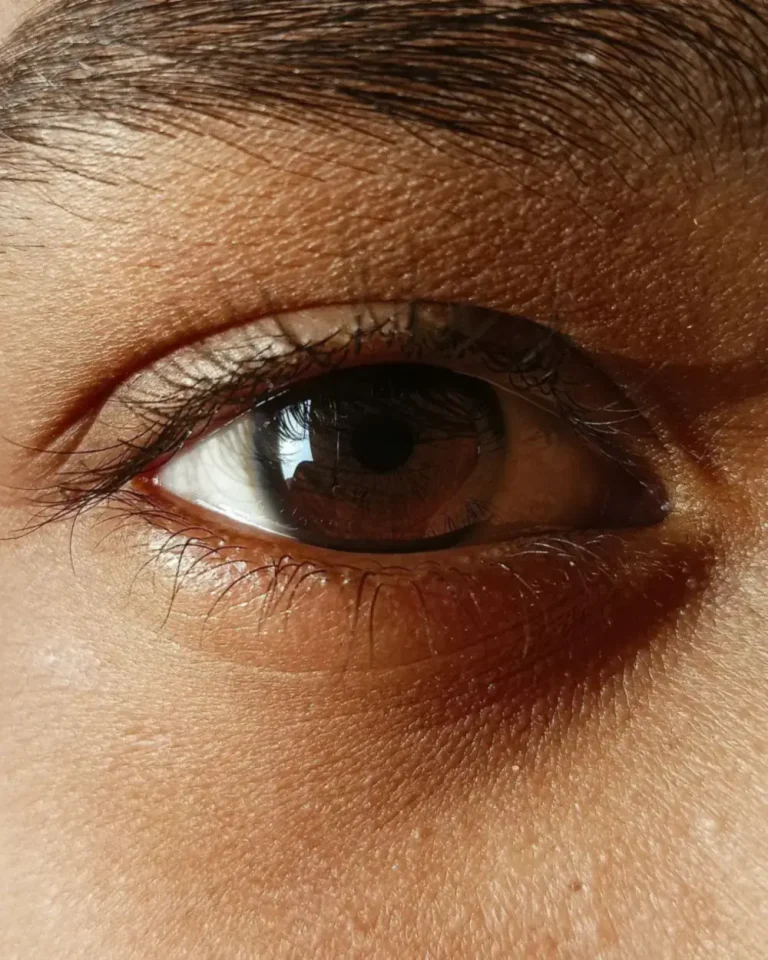
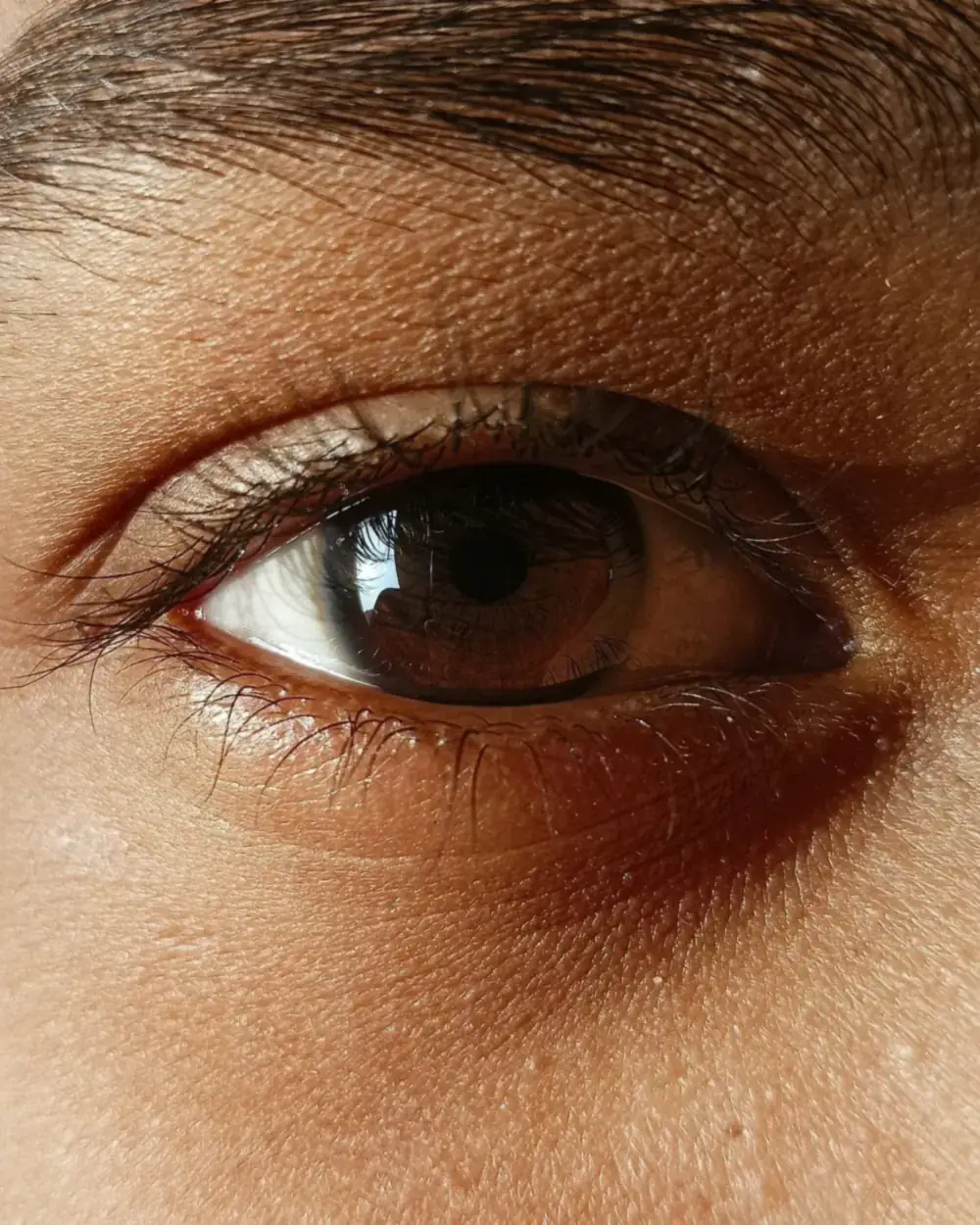
The upper eyelid is raised by a muscle called the levator. When this muscle weakens or partly detaches from the eyelid, the lid margin drops and covers part of the iris or even the pupil.
Ptosis should be distinguished from excess eyelid skin (treated with blepharoplasty): in ptosis, the edge of the eyelid itself sits too low. The two can occur together.
Causes
- Age-related ptosis, the most common, caused by the gradual detachment of the levator tendon;
- long-term contact lens wear or previous eye surgery;
- congenital ptosis, present from birth;
- neurological or muscular causes, which must be ruled out before surgery, especially when ptosis appears suddenly, varies during the day or comes with double vision.
Ptosis that appears suddenly is a medical emergency and needs immediate assessment.
Assessment
At the consultation the eyelid position, the strength of the levator muscle and symmetry are measured, vision is checked and, if needed, an eye or neurology consultation is recommended.
How the operation is done
The operation is usually done under local anaesthesia, which allows the eyelid height to be adjusted during surgery. Through an incision in the eyelid crease, the levator tendon is reattached or shortened. Excess skin can be removed at the same time. It takes about one to two hours.
Recovery
- swelling and bruising for 1–2 weeks;
- stitches come out after 5–7 days;
- eye lubricant for the first weeks, because the eye may temporarily not close fully.
Risks and things to know
- under- or over-correction, sometimes needing adjustment;
- asymmetry between the eyelids;
- dry eye or incomplete eye closure, usually temporary.
Results vary from one patient to another.