What hyaluronic acid is
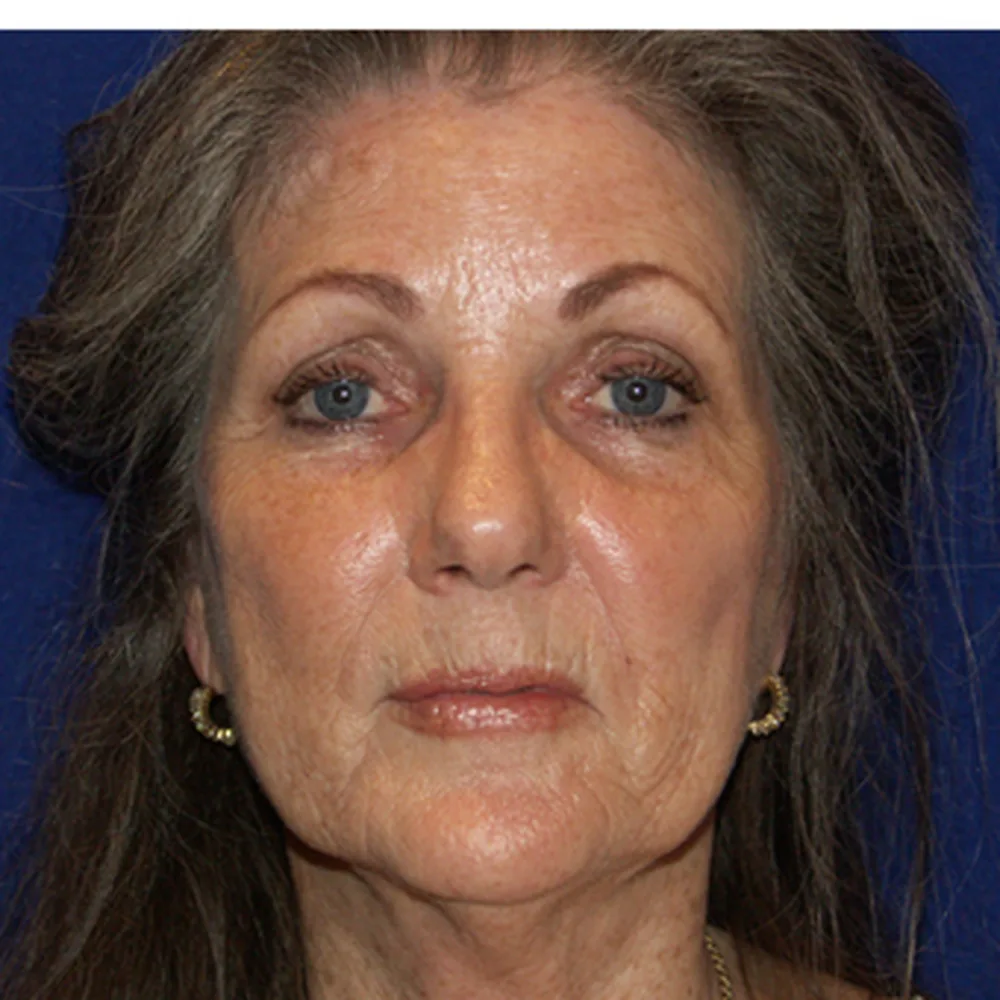
Hyaluronic acid holds water in the skin and gives it volume and elasticity. With age the amount decreases and the face loses volume: the cheeks flatten, the nasolabial folds deepen, hollows appear under the eyes and the jawline softens.
Injectable products use stabilised hyaluronic acid of different densities. Some are fluid, suited to the lips or fine lines; others are firmer, for the cheeks, chin and jawline. The effect is temporary because the body breaks the product down gradually.
Areas that can be treated
- nasolabial folds and the lines at the corners of the mouth;
- lips, for volume, definition or hydration (see also lip augmentation);
- under-eye hollows (the tear trough);
- cheeks;
- chin and jawline;
- nose, small profile corrections without surgery (non-surgical rhinoplasty);
- horizontal neck lines;
- backs of the hands, for lost volume.
How it is done
At the consultation the face is looked at as a whole, not just the area that bothers you. A numbing cream is applied, and many products also contain a local anaesthetic. Injections are done with a fine needle or cannula, in small amounts, and take 30–45 minutes.
After treatment
- mild swelling and sometimes small bruises for 1–3 days;
- avoid massaging the area, intense exercise, saunas and sunbeds for 24–48 hours;
- if possible, avoid dental work and vaccinations in the days straight after.
The result is visible immediately and is judged finally after about two weeks. The effect usually lasts 6–18 months, depending on the area, the product and your metabolism.
Contraindications
- pregnancy and breastfeeding;
- active infection or inflammation in the area, including active herpes;
- autoimmune disease in a flare-up;
- known allergy to the components of the product.
Risks and things to know
- swelling, redness, bruising;
- lumps or irregularities, which can be corrected;
- rare but important: vascular occlusion, a blood vessel blocked by the product. It is a rare complication that needs immediate recognition and treatment. That is why injections should be done by a doctor who knows the vascular anatomy of the face and can treat this complication straight away, including with hyaluronidase, the enzyme that dissolves hyaluronic acid.
Tell the doctor immediately about severe pain, skin that turns white or bluish, or any change in vision after an injection.
Results vary from one patient to another.