What carpal tunnel syndrome is
The carpal tunnel is a narrow channel at the base of the palm formed by the wrist bones and a thick ligament. The finger flexor tendons and the median nerve run through it. When the space narrows, through thickened tissue, tendon inflammation, fluid retention or after fractures, the nerve is compressed.
Symptoms
- numbness and tingling in the thumb, index, middle and half of the ring finger;
- symptoms that are worse at night and wake you up;
- dropping things and clumsiness with fine movements;
- in advanced cases, wasting of the muscles at the base of the thumb.
Other nerve compressions in the arm
- Guyon’s canal syndrome: compression of the ulnar nerve at the wrist, with numbness in the little and ring fingers.
- Ulnar nerve compression at the elbow (cubital tunnel syndrome): numbness in the little and ring fingers, worse when the elbow is bent.
Diagnosis
Diagnosis is made by clinical examination and usually by electromyography (EMG), which shows how affected the nerve is. Ultrasound can help in some cases.
When to operate
In mild cases, a night splint, changes to activities and sometimes injections can ease the symptoms. Surgery is recommended when symptoms persist, when weakness or muscle wasting appears, or when EMG shows significant compression. Waiting too long can lead to nerve damage that does not fully recover.
How the operation is done
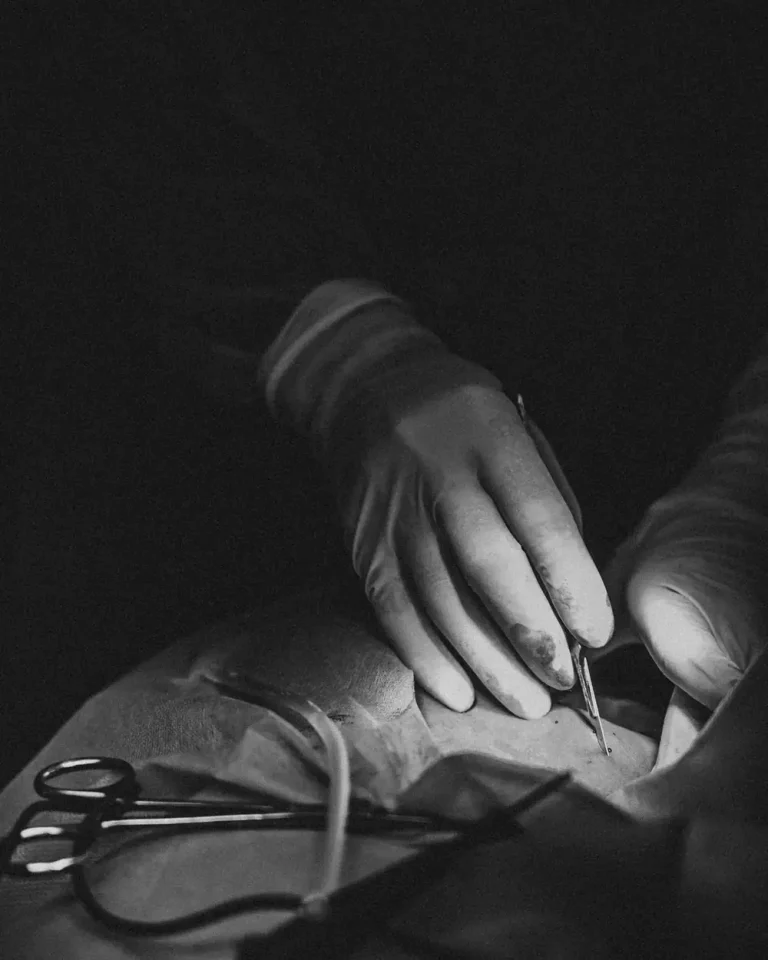
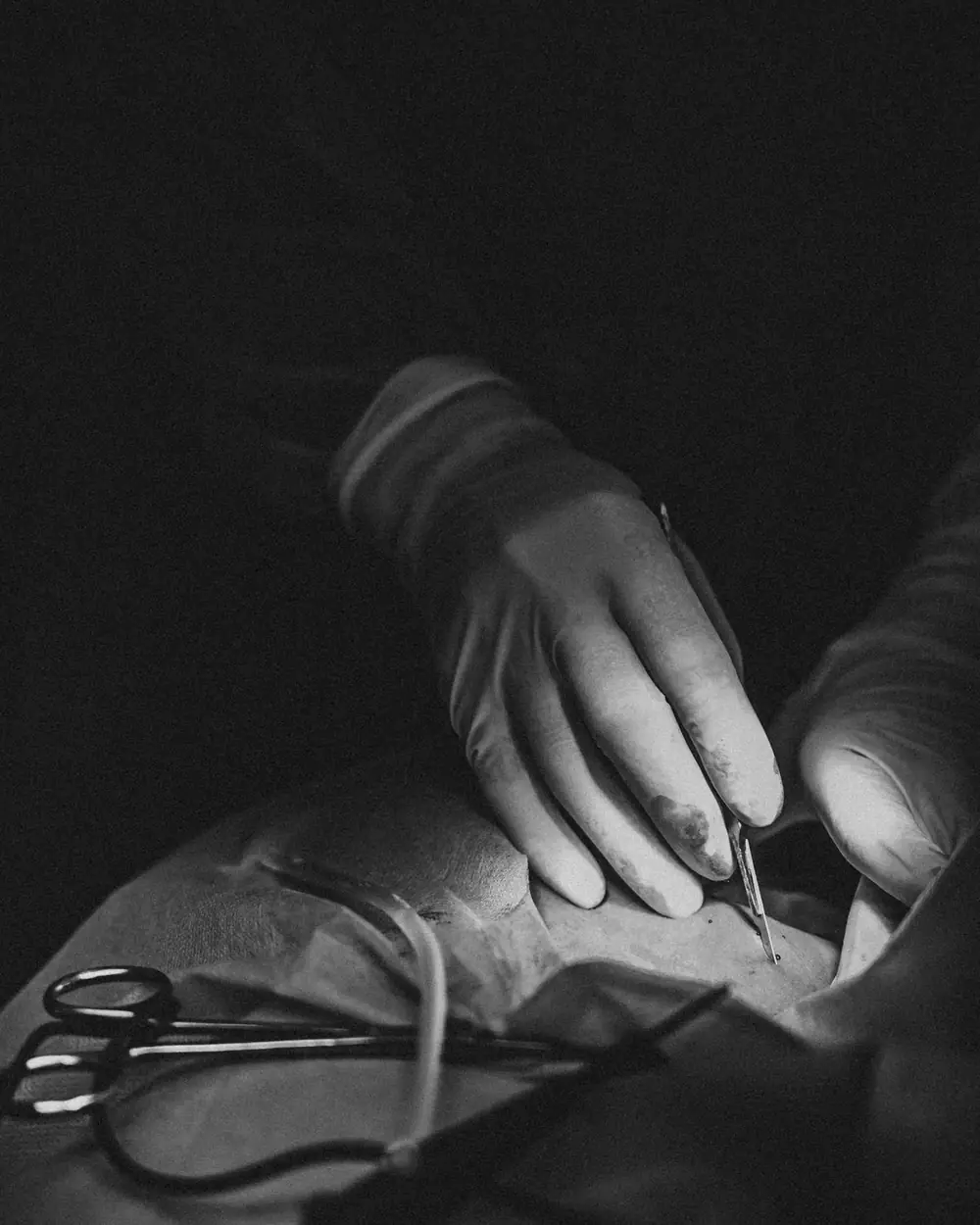
The operation is done under local or regional anaesthesia and takes about 30–60 minutes. The ligament that forms the “roof” of the tunnel is divided and the pressure on the nerve is released. You go home the same day.
Recovery
- keep the hand raised in the first days; finger movement resumes straight away;
- stitches come out after 10–14 days;
- light activities resume within a few days, and strain and strong gripping after 4–6 weeks;
- night-time numbness often goes quickly, and sensation recovers over weeks or months, depending on how affected the nerve was.
Risks and things to know
- pain at the base of the palm for a few weeks;
- incomplete recovery when the nerve has been compressed for a long time;
- a tender scar or infection, both rare.
Results vary from one patient to another.