What Dupuytren's disease is
Under the skin of the palm lies a fascia, a fibrous layer of tissue. In Dupuytren’s disease this fascia thickens, first forming nodules and then cords. Over time the cords shorten and pull one or more fingers (most often the ring and little fingers) towards the palm.
The exact cause is unknown. There is a genetic predisposition, and the disease is more common in men over 50, in people with diabetes, in smokers and with heavy alcohol use.
Symptoms
- firm, usually painless nodules in the palm;
- cords running towards the fingers;
- inability to straighten the finger fully;
- difficulty putting the hand flat on a table, washing the face or wearing gloves.
A simple test: if you can no longer lay your palm completely flat on a table, it is time for an assessment.
Treatment
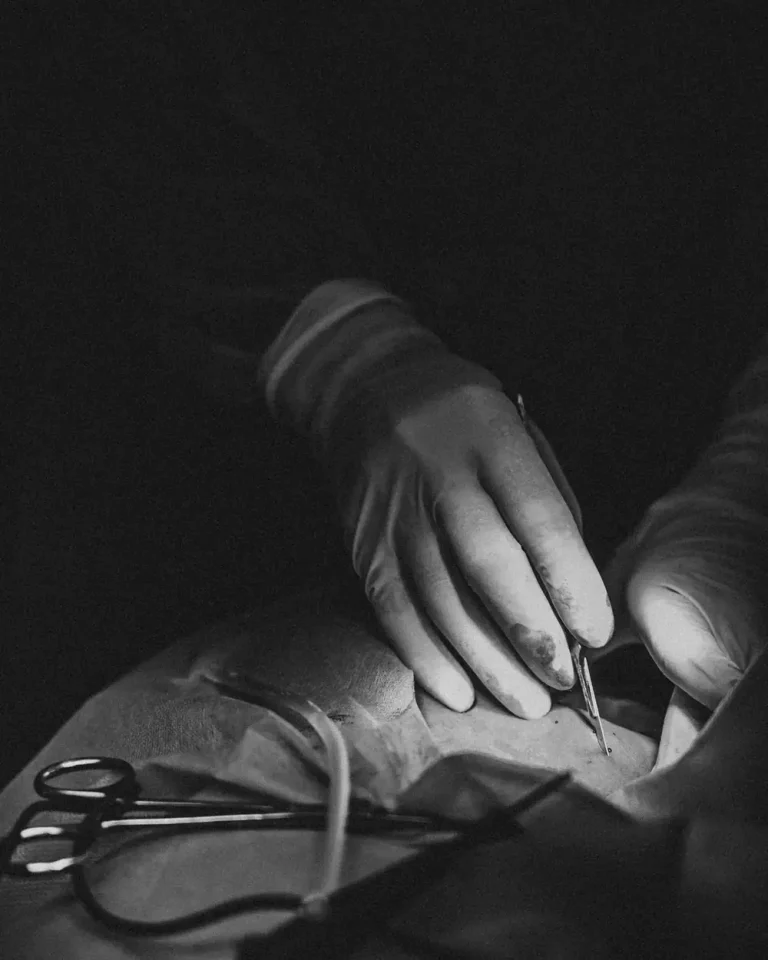
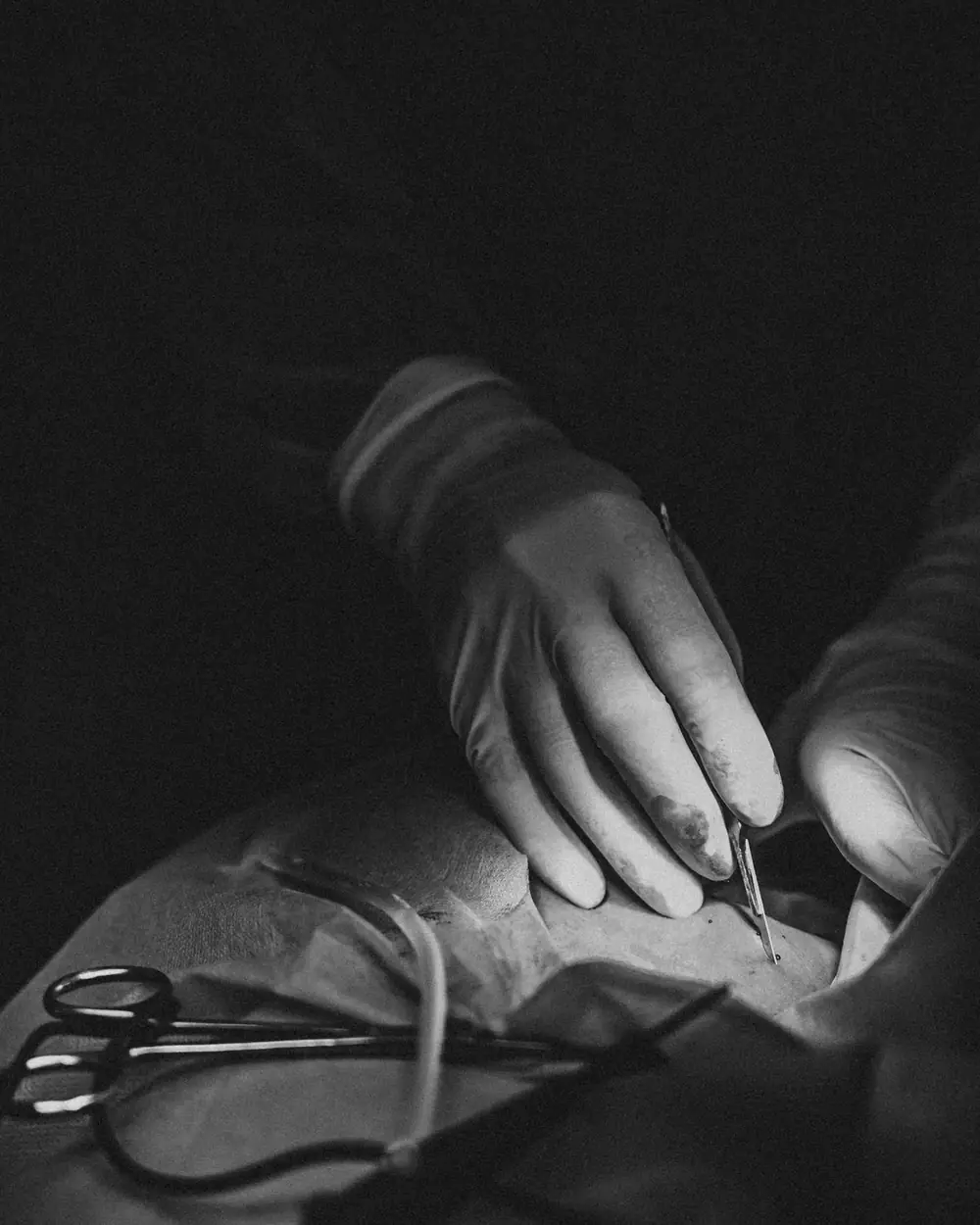
Nodules without contracture are monitored. Surgery is indicated when the contracture limits hand function. It consists of removing or dividing the diseased cords (fasciectomy) to free the fingers. The operation is done under local, regional or general anaesthesia and takes one to two hours.
Recovery
Recovery matters as much as the operation: you wear a splint, especially at night, and hand therapy starts early to keep the fingers straight. The result depends on the stage of the disease and on following the rehabilitation programme.
Risks and things to know
- recurrence, which is relatively common over time because the disease stays active;
- finger stiffness;
- numbness in the fingers, if nerves near the cords are affected;
- skin healing problems.
Results vary from one patient to another.