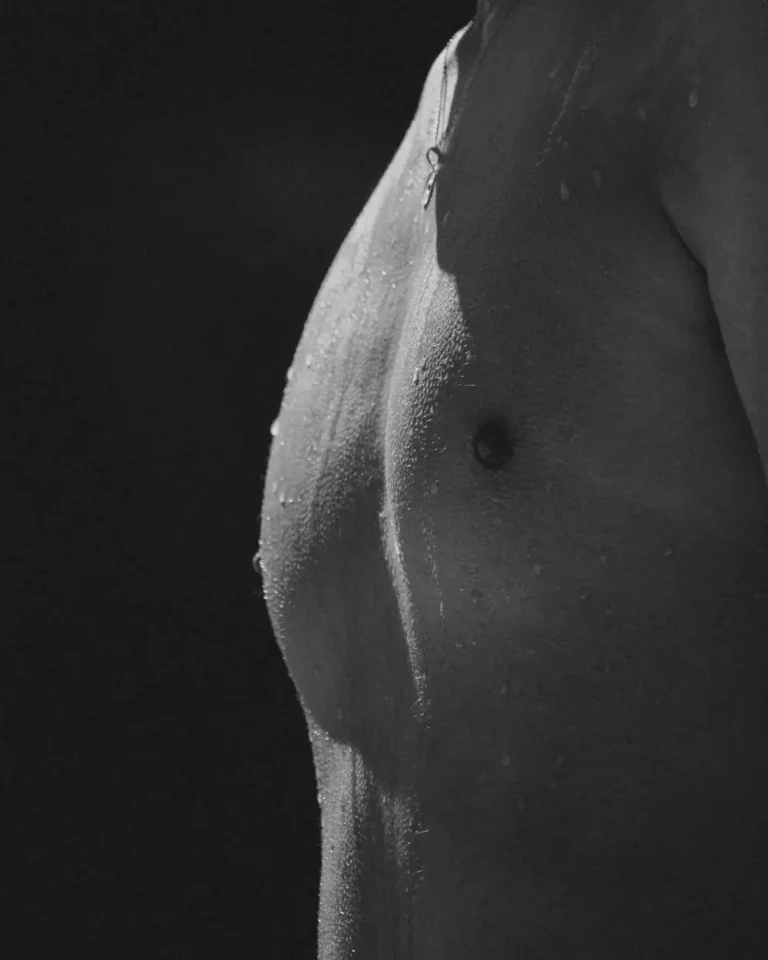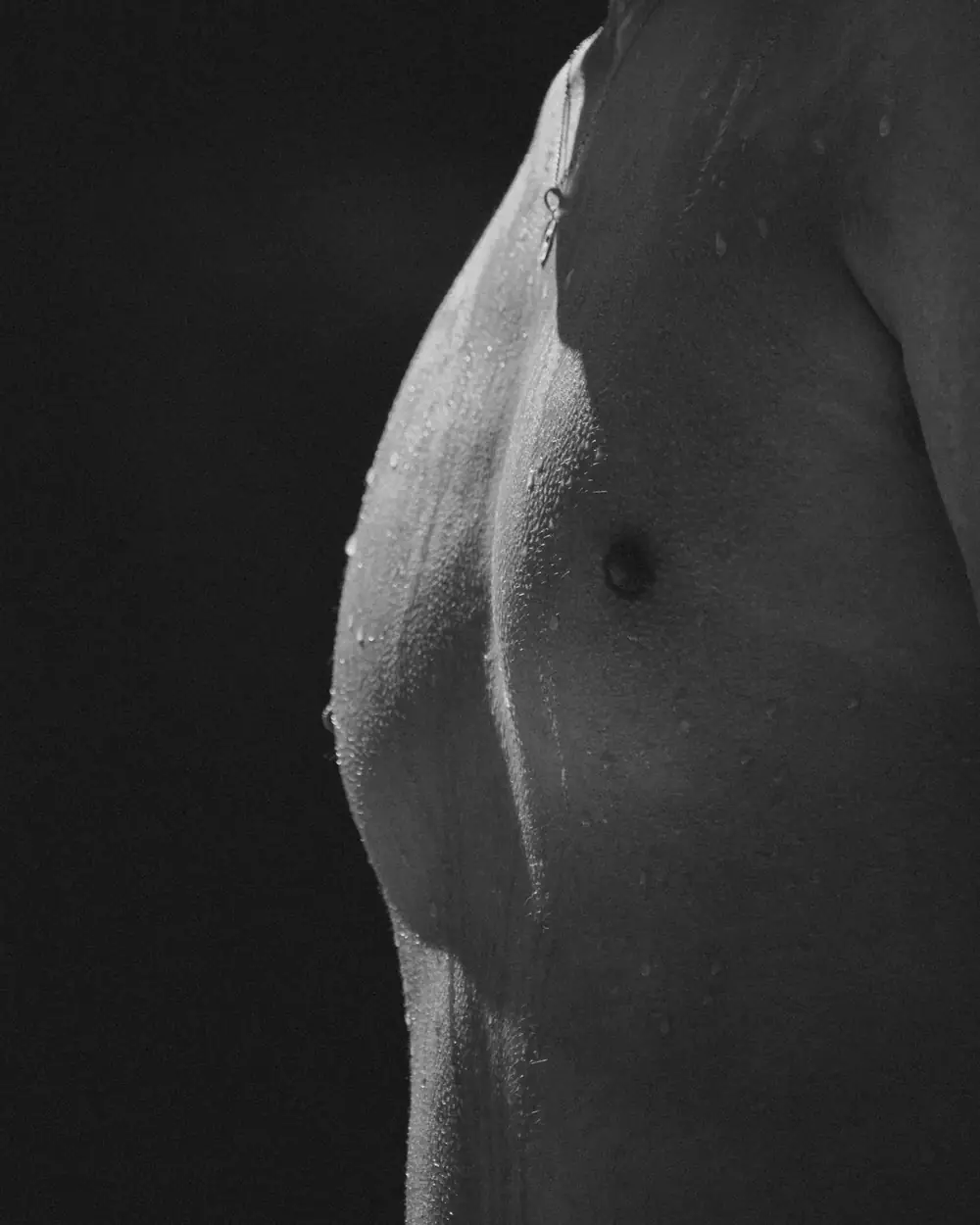
What gynecomastia is
Gynecomastia is excessive growth of the breast gland in men. It can affect one side or both, is common at puberty, when it often resolves by itself, and can reappear in adulthood for hormonal or drug-related reasons, or with no clear cause.
It should be distinguished from pseudogynecomastia, in which the chest is enlarged only by fat, without glandular tissue. The difference matters because the treatment is not the same: fat can be removed with liposuction, but dense glandular tissue has to be excised.
Causes to check first
Before any procedure, it is important to rule out causes that need other treatment:
- hormonal imbalances;
- some medications (for example certain prostate, heart or stomach treatments) and anabolic steroids;
- liver, kidney or thyroid conditions;
- rarely, testicular or adrenal tumours.
Depending on the case, the doctor may recommend hormone tests or an endocrinology consultation. Gynecomastia that appears suddenly, is painful, or is on one side only with a hard lump should be assessed without delay.
Who surgery is for
- men with gynecomastia that has been stable for more than a year with no treatable cause;
- young men whose gynecomastia has not resolved after puberty;
- men with a stable weight who have tried without success to reduce the volume with exercise and diet.
How the operation is done
Depending on the extent, the operation is done under general anaesthesia or local anaesthesia with sedation and takes about one to two hours. Two techniques are usually combined:
- liposuction, for the surrounding fat and an even chest contour;
- excision of the glandular tissue through a small incision along the lower edge of the areola.
In advanced cases with excess skin, the skin may also need to be removed, with longer scars. The removed tissue is sent for histopathology.
Recovery
- First days: swelling, bruising and moderate discomfort.
- 7 days: back to desk work.
- 4–6 weeks: you wear a compression vest; chest and arm training resumes after about 6 weeks.
- 3–6 months: the final chest contour.
Results
The chest becomes flatter and more masculine. The result lasts as long as your weight stays stable and you avoid substances that can trigger gynecomastia again. Results vary from one patient to another.
Risks and things to know
- asymmetry or contour irregularities;
- a slight hollow under the areola if too much tissue is removed;
- temporary changes in nipple sensation;
- seroma or haematoma;
- more visible scars, especially when there is excess skin.