What liposuction is
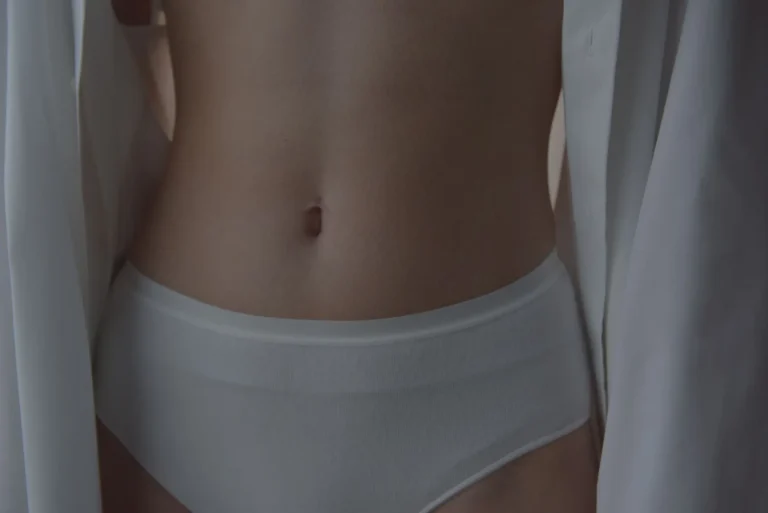
Liposuction is a procedure in which fat in specific areas is suctioned out through thin cannulas inserted through incisions a few millimetres long. The area is first infiltrated with a solution that reduces bleeding and discomfort, and fat is removed evenly to keep a smooth contour.
The fat cells removed do not grow back. If you gain weight later, fat will be stored in the treated areas too, but mostly elsewhere, so keeping a stable weight remains important.
Areas that can be treated
- abdomen and flanks (“love handles”);
- waist and lower back;
- inner and outer thighs;
- knees;
- arms;
- under the chin (double chin);
- in men, the chest, in cases of pseudogynecomastia.
Who it is for
The best results are seen in people who:
- are at or close to a normal weight;
- have localised fat deposits out of proportion with the rest of the body;
- have elastic skin that can tighten once the fat is removed;
- are healthy and non-smokers, or willing to stop smoking for a while.
Liposuction does not treat obesity, cellulite or loose skin. When the abdominal skin is loose after pregnancies or major weight loss, the solution is usually a tummy tuck, possibly combined with liposuction.
The consultation
At the consultation the doctor assesses how fat is distributed, skin quality and any scars, and discusses the areas that bother you. You agree how many areas can be treated safely in one procedure and the type of anaesthesia. You also find out what the result can realistically look like in your case.
How the procedure is done
Depending on the number of areas and the volume, liposuction is done under local tumescent anaesthesia (for small areas), with sedation or under general anaesthesia. It takes one to three hours. The infiltration solution is introduced through small incisions placed in natural creases, then the fat is suctioned with controlled movements. The incisions are closed with fine stitches.
For larger volumes, an overnight stay for monitoring is recommended.
Preparation
- Blood tests and a medical assessment adapted to your age and history.
- A stable weight for a few months before the procedure.
- Stopping medication and supplements that increase bleeding risk, with the prescribing doctor’s approval.
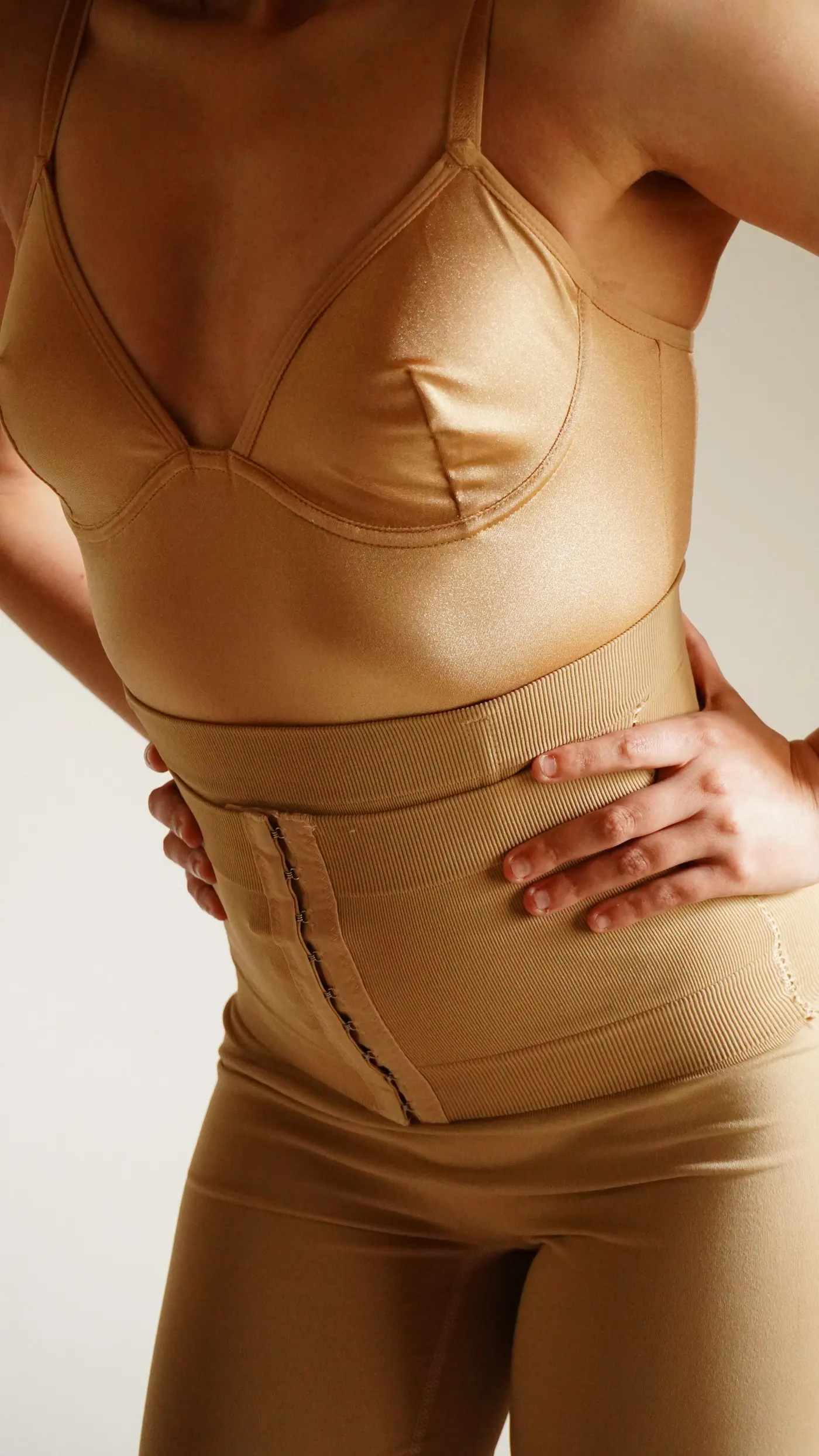
- Buying the recommended compression garments before the operation.
Recovery
- First days: the treated areas are swollen and bruised, with soreness similar to muscle ache. Infiltration fluid may leak from the incisions in the first 24–48 hours, which is normal.
- Walking starts on day one and helps prevent blood clots.
- 5–10 days: most patients return to desk work.
- 4–6 weeks: compression garments are worn day and night; sport resumes gradually after about 4 weeks.
- 3–6 months: the swelling goes and the final contour becomes visible. Massage recommended by the doctor can help smooth the treated areas.
Results
The result shows gradually and becomes clear after a few months. It lasts as long as your weight stays stable. Results vary from one patient to another, depending on skin elasticity and the area treated.
Risks and things to know
- contour irregularities or asymmetry;
- areas of hardening (fibrosis) that soften over time;
- temporary changes in sensation;
- seroma (fluid collection) or, rarely, infection;
- the skin may stay loose if elasticity is poor;
- rarely, general complications such as deep vein thrombosis, which is why the volume removed in one session is limited and walking starts straight away.