Which lesions can be removed
- Moles (naevi), for cosmetic reasons, because they are irritated by clothing or shaving, or because they have changed.
- Sebaceous (epidermoid) cysts, lumps under the skin, sometimes with a central dot, which can become inflamed.
- Lipomas, soft, mobile fatty lumps under the skin.
- Warts, skin tags, ganglion cysts and other benign lesions.
When to be seen quickly
A mole that changes shape, colour or size, has irregular edges or several colours, bleeds, or appears for the first time in adulthood should be checked without delay. A dermatology assessment (including dermoscopy) helps decide how urgent it is and what kind of procedure is needed.
How the procedure is done
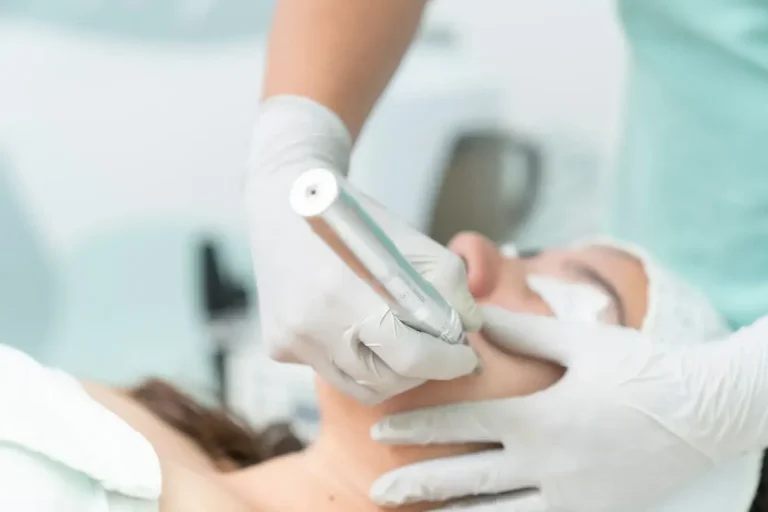
The procedure is done under local anaesthesia and usually takes between 15 minutes and an hour. The lesion is removed completely with a small safety margin, and the skin is closed in layers with fine stitches along the natural lines of the skin. For large lesions or areas with little spare skin, a local flap or skin graft may be used.
The removed tissue is sent for histopathology. The result confirms what the lesion was and whether it was removed completely.
Recovery
- back to normal activity the same day or the next;
- a dressing and simple wound care;
- stitches come out after 5–14 days, depending on the area;
- sun protection for the scar in the following months.
Risks and things to know
- a scar, which fades over time;
- infection or the wound opening, both rare;
- recurrence, especially with cysts that were not completely removed;
- if histopathology shows a lesion that needs further treatment, the doctor explains the next steps.