What hallux valgus is
Hallux is the medical name for the big toe. In hallux valgus, the first metatarsal bone drifts inwards and the big toe outwards, over the other toes. A bump forms at the base of the toe, the bunion, often inflamed by rubbing against shoes.
The deformity is more common in women and runs in families. Tight, pointed, high-heeled shoes make it worse.
Symptoms
- pain and inflammation over the bunion;
- difficulty walking and finding shoes that fit;
- calluses and pain under the other toes;
- over time, deformity of the neighbouring toes.
Treatment
Wide shoes, orthotics and toe separators can ease discomfort but do not correct the deformity. Surgery is indicated when pain persists and limits daily life, not just for appearance.
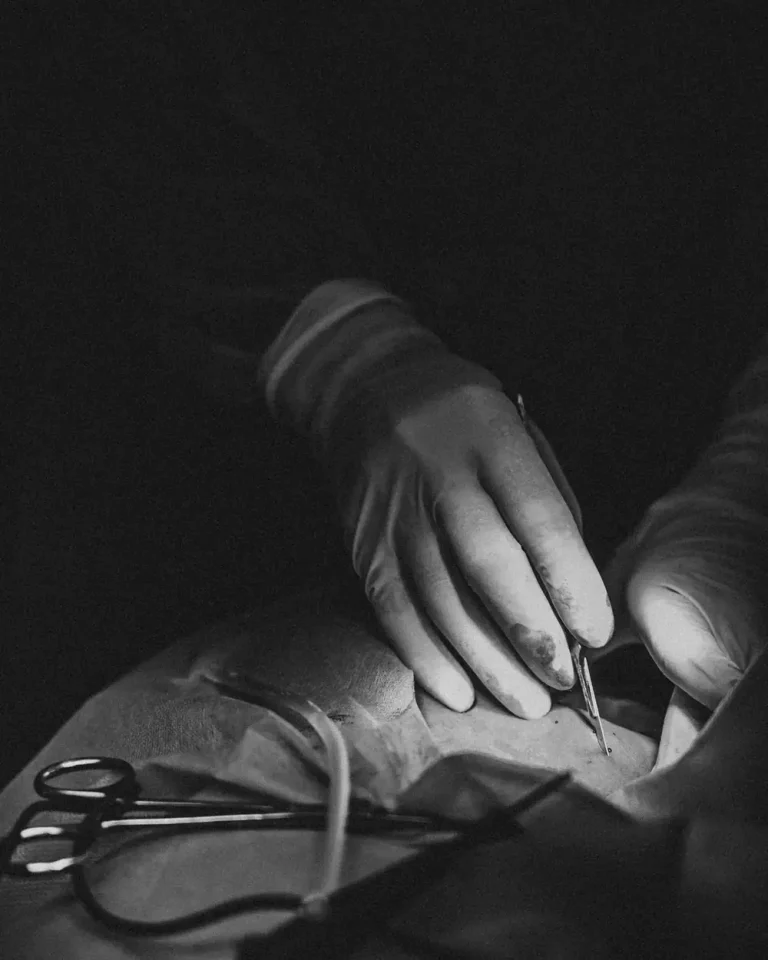
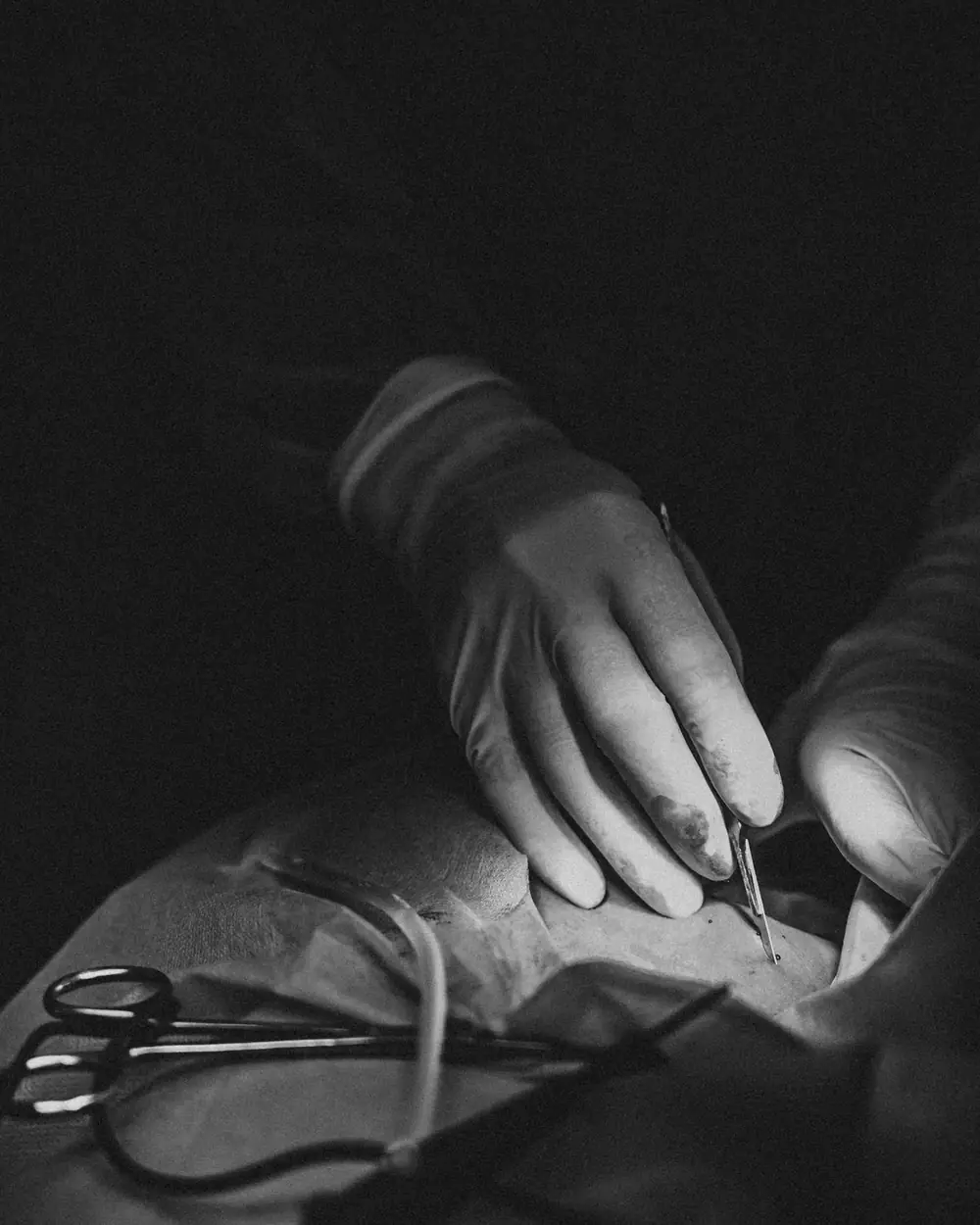
The operation usually involves removing the excess bone and an osteotomy of the first metatarsal (a controlled cut to realign the bone), fixed with screws or wires. It is done under regional or general anaesthesia and takes one to two hours.
Recovery
- you walk from the first days in a special post-operative shoe for about 4–6 weeks;
- keep the foot raised as much as possible in the first days to reduce swelling;
- ordinary, roomy shoes after 6–8 weeks;
- swelling may last for a few months.
Risks and things to know
- recurrence of the deformity;
- stiffness of the big toe joint;
- delayed bone healing;
- infection or wound healing problems;
- persistent pain or discomfort from the fixation hardware, which is sometimes removed later.
Results vary from one patient to another.