What dermabrasion is
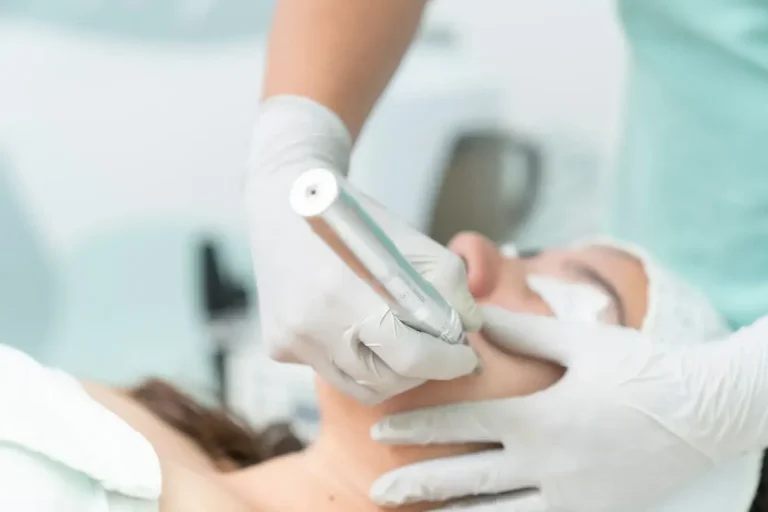
Dermabrasion is a medical procedure in which the surface layers of the skin (the epidermis and part of the dermis) are removed with a rotating instrument. The skin then heals from the deeper layers and the surface becomes smoother. Because the depth is controlled mechanically, the doctor can work precisely on small areas.
It should not be confused with microdermabrasion, a superficial cosmetic treatment with no downtime.
What it is used for
- acne scars;
- irregular scars after injury or surgery;
- fine lines around the mouth;
- some superficial skin lesions.
How it is done
The procedure is done under local anaesthesia and takes 30–60 minutes, depending on the area. A dressing is applied at the end.
Recovery
- red, moist skin with crusts in the first week;
- the skin resurfaces within 7–10 days;
- redness fades over a few weeks;
- strict sun protection for several months.
Contraindications and risks
It is not recommended during or shortly after isotretinoin treatment, with active herpes, or in people prone to keloid scars. Risks include pigment changes (especially in darker skin types), prolonged redness, infection and, rarely, scarring.
Results vary from one patient to another.