How it works
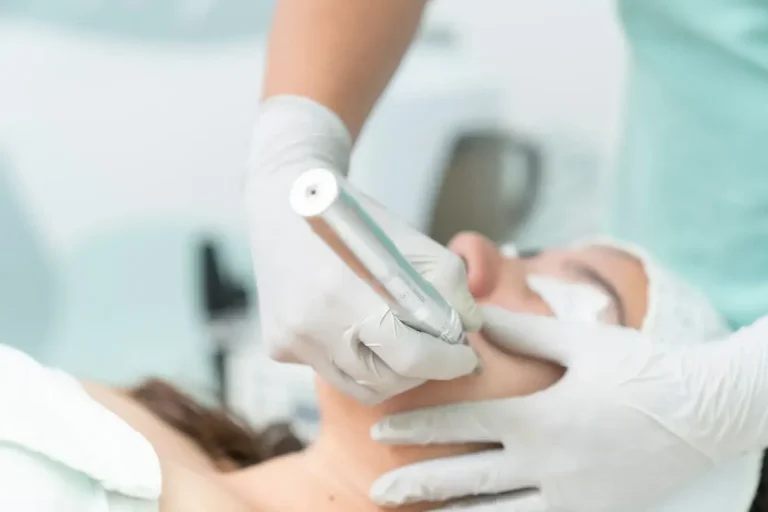
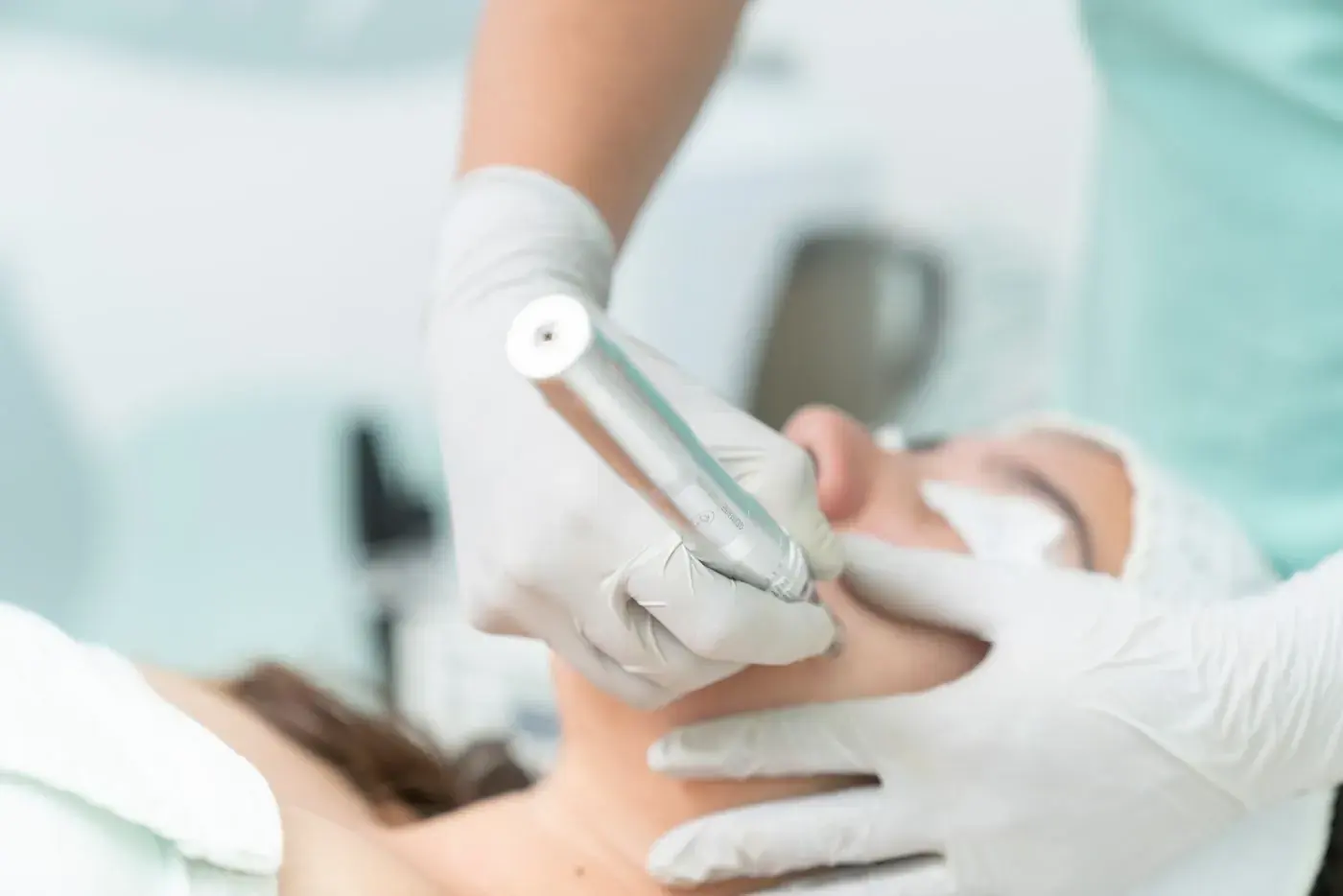
Ablative laser vaporises the surface layers of the skin at a microscopic level. The heat released deeper down stimulates new collagen, and the skin renews itself from the healthy layers beneath. Depending on the settings, the treatment can be:
- a laser peel, superficial, with a few days of recovery, for radiance and texture;
- skin remodelling, deeper or fractional (the laser works in microscopic columns, leaving intact skin in between that speeds up healing), for fine lines and scars.
What it is used for
- fine lines, including around the eyes and mouth;
- uneven texture and enlarged pores;
- superficial pigmentation;
- superficial acne scars.
How it is done
The skin is cleansed and a numbing cream is applied. A session takes 30–60 minutes. Usually 2–4 sessions are recommended, 6–8 weeks apart.
After treatment
- redness and a sunburn-like feeling that settles within 12–48 hours;
- after 1–3 days the skin flakes finely (do not pick it);
- intensive moisturising and SPF 50 sun protection are essential;
- avoid sun exposure, sunbeds and self-tanners.
Autumn and winter are the best time for treatment.
Contraindications and risks
It is not done on tanned skin, in pregnancy, with active herpes, during or shortly after isotretinoin treatment, or in people prone to keloid scars. Risks include hyperpigmentation (especially with sun exposure), prolonged redness, herpes reactivation and, rarely, scarring.
Results vary from one patient to another.