What IPL is
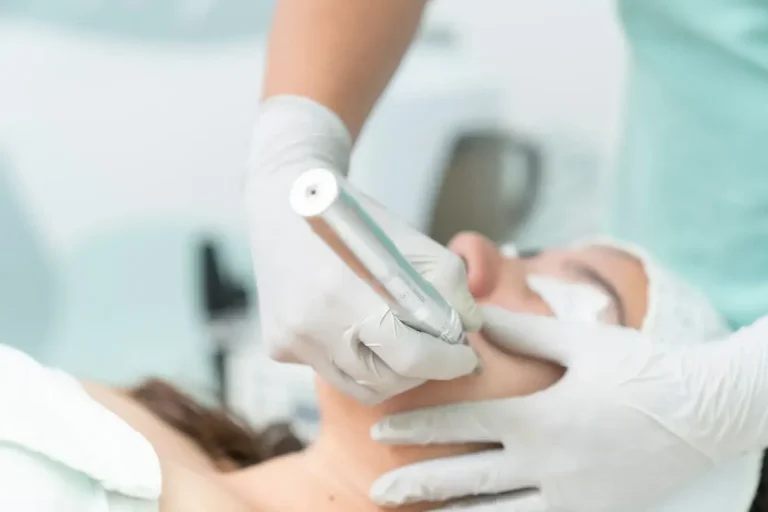
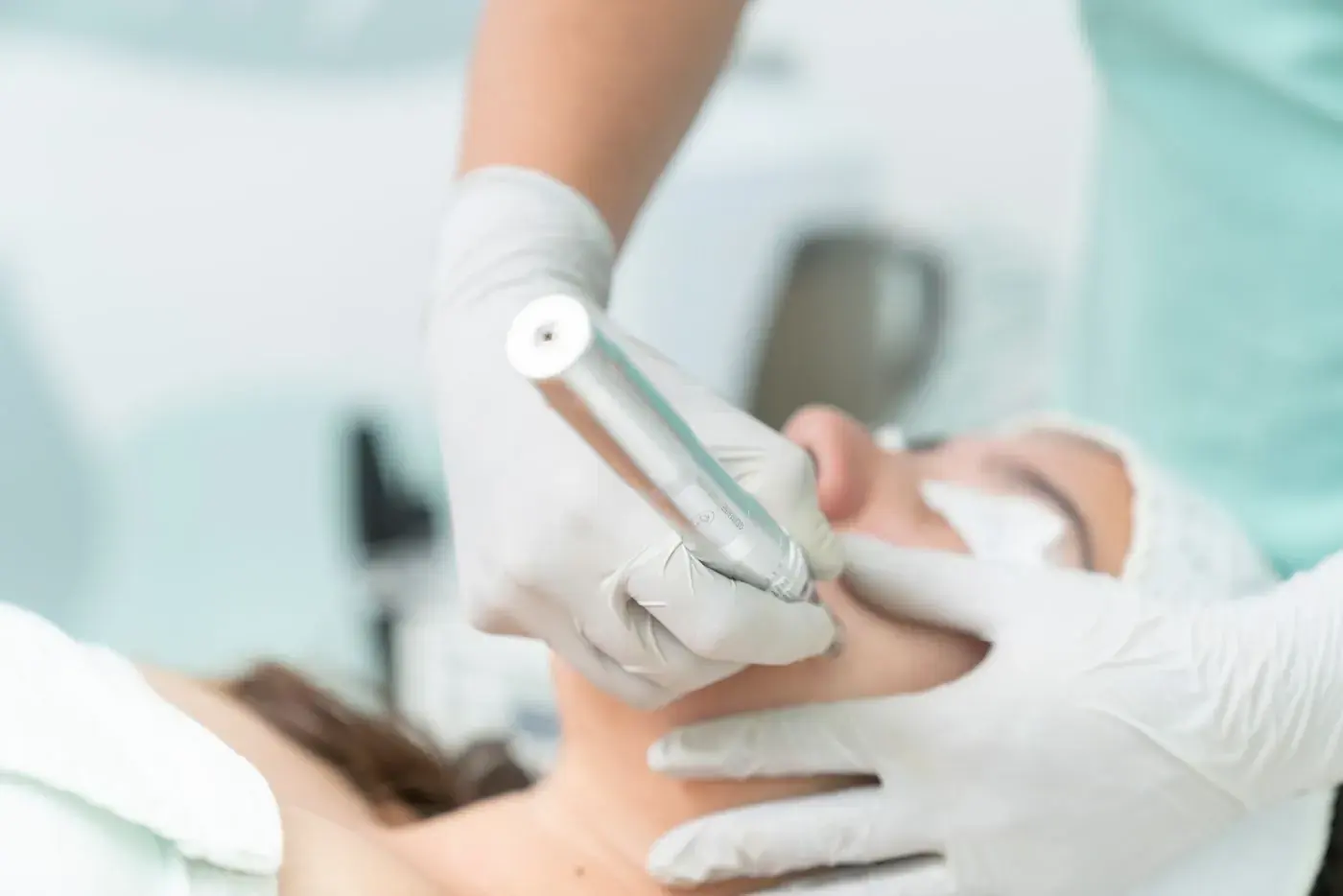
IPL (Intense Pulsed Light) is not a laser but a broad-spectrum light source, filtered to act on specific targets in the skin: the pigment in dark spots, the haemoglobin in small vessels or the bacteria involved in acne. The light energy turns into heat, which destroys or fades the target without harming the skin surface.
What it is used for
- pigmentation (sun spots, age spots) on the face, neck, chest and hands;
- visible capillaries and diffuse facial redness;
- small vascular lesions on the legs, depending on their size;
- inflammatory acne, as a complementary treatment;
- photorejuvenation, for a more even tone and better texture.
How it is done
A cool gel is applied to the skin and you wear protective glasses. It feels like a light snap of a rubber band. A session takes 15–45 minutes, depending on the area. Usually 3–6 sessions are needed, 3–4 weeks apart.
After treatment
- mild redness for a few hours;
- dark spots darken and flake off within 1–2 weeks;
- SPF 50 sun protection and avoiding sun exposure.
Contraindications and risks
It is not done on tanned skin, on very dark skin types, in pregnancy, or in people taking photosensitising medication or with conditions made worse by light. Risks include temporary pigment changes, small crusts and, rarely, superficial burns.
New pigmented lesions, or ones that change in appearance, should be checked by a dermatologist before any light treatment.
Results vary from one patient to another.